What is C-PTSD, and the possible ways to heal

As our understanding of trauma continues to deepen, so does our collective understanding of the layered experiences that shape our clients’ lives. One area of growing recognition is complex trauma, often referred to as C-PTSD (Complex Post Traumatic Stress Disorder). Many people come to therapy seeking support for what looks like depression, anxiety, struggles with substance use, or patterns that feel hard to understand. Over time, we sometimes discover that these experiences are rooted not in separate problems, but in the lasting impact of relational and developmental trauma that shaped how the nervous system learned to cope and survive.
PTSD VS C-PTSD
Noticing the differences between PTSD and C-PTSD can help us orient care in ways that feel more attuned to a person’s lived experience. They are different expressions of how the nervous system and a sense of self adapt to overwhelming circumstances, however externally or internally shocking, brief, or prolonged.
PTSD, sometimes described as “shock trauma,” is often connected to a specific, time-bound event that overwhelmed the system’s capacity to cope. While there is no single path toward healing, many people have found body-based approaches supportive. The work of Peter Levine through Somatic Experiencing International, for example, highlights how overwhelming experiences can be stored in the nervous system and how gentle, somatic practices can help the body gradually return to a sense of safety and regulation.
C-PTSD is often understood through the lens of relational or developmental trauma, where the impact comes not from a single event but from repeated, patterned experiences within important early relationships. Over time, these experiences can shape how a person relates to themselves, others, and the world, often in ways that feel enduring rather than episodic. Research on ACE (Adverse Childhood Experiences) has shown that higher exposure to early relational stress is strongly associated with the kinds of adaptations we now recognize as complex trauma, underscoring how formative environments leave lasting imprints on the nervous system and sense of self.
How C-PTSD shows up
Emotional Regulation
Many people who carry complex trauma describe moving through life with a heightened sensitivity to their inner world. Emotions can feel big, fast, and at times hard to steady, not because something is “wrong,” but because the nervous system learned early on to stay alert in order to stay safe.
In Complex PTSD: From Surviving to Thriving, Pete Walker writes about how this can show up as a nervous system that moves between fight, flight, freeze, and what he calls “fawn.” The fawn response often grows out of relational environments where keeping the peace, pleasing others, or staying small felt like the safest option available.
He also describes something called emotional flashbacks. Unlike memories that bring someone back to a specific moment in time, emotional flashbacks can arrive as sudden waves of shame, fear, or helplessness that don’t seem to match the present moment. They can feel confusing and disorienting, as if the body is responding to an old reality while the mind knows it is somewhere new.

Over time, living in this state can make it difficult to feel fully at ease in one’s own body. The work of healing, then, is often about gently helping the nervous system relearn safety, steadiness, and connection from the inside out.
Self-Identity
One of the tender realities of complex trauma is how deeply it can shape a person’s sense of self. Over time, the adaptations that once helped someone survive can begin to feel like part of who they are. The line between what happened to them and how they understand themselves can become blurred.
Many people with complex trauma carry a quiet, persistent sense of shame or self-blame that feels hard to loosen. This can show up as harsh self-criticism, difficulty being gentle with themselves, or coping patterns that were once protective but no longer feel supportive. These patterns are not signs of weakness; they are learned responses formed in a young, vulnerable time, often before a person had the words or support to make sense of what they were living through.
A meaningful part of healing is learning to relate to this inner voice differently. Softening the grip of the inner critic and rediscovering a more compassionate sense of self can be slow, careful work, but it is also where many people begin to feel a deeper sense of freedom and wholeness.
Relationships
Early relational wounds can make closeness feel complicated later in life. As children, many people learn without realizing it that setting aside their own needs is the safest way to stay connected to the caregivers they depend on. This adaptation can be lifesaving in the moment, but over time, it may come at the expense of a clear sense of agency, autonomy, and self.
As these children grow into adults, relationships can feel confusing or fragile, not because they are incapable of connection, but because they did not have consistent models of what safe, mutual, and attuned relationships look like. Trust, boundaries, and intimacy may feel unfamiliar or hard to navigate. Healing often involves gently learning, sometimes for the first time, what it feels like to be in a relationship without having to disappear in order to belong.
So How Do I Heal?
Healing is rarely linear, and never one size fits all, especially when someone has lived through complex, relational trauma. Because these experiences can become woven into how a person understands themselves, it can be especially helpful for care to feel spacious, respectful, and non-pathologizing.
Many people find that depth-oriented approaches offer room to gently untangle what happened from who they are. Models such as IFS (Internal Family Systems) invite people to explore the different parts of themselves with curiosity rather than judgment, creating space to relate to painful experiences without being defined by them. Similarly, the NARM (NeuroAffective Relational Model) was developed with complex trauma in mind and emphasizes restoring a sense of agency while honoring the strategies that once helped a person survive.
At its heart, this work is about helping people reconnect with a steadier, more compassionate relationship with themselves.
Start working with an IFS-Trained Trauma Therapist in Highland Park and Los Angeles
Whatever path of care feels right for you, it can help to move at a pace that honors your system rather than pushes past it. Your responses were developed for good reasons. They are not the whole of who you are.
As healing unfolds, many people notice a little more space inside themselves. Space for ease, for choice, for a fuller expression of who they have always been beneath the adaptations.
Reach out to schedule a free 15-minute consultation. You deserve that gentleness. And the world benefits when you are able to show up as your truest self.
Other Services Offered at Therapy on Fig
At Therapy on Fig, we provide therapy services tailored to the unique needs of couples and individual adults and teens. We offer Neurodivergent Affirming Therapy, IFS Therapy, Grief and Loss Therapy, Therapy for Empaths, Trauma Therapy, Couples Therapy, Teen Therapy, ADHD Therapy, Group Therapy, Therapy for Entrepreneurs, Anxiety Therapy, Therapy for Autistic People, and Therapy for Asian Americans. Whether you're seeking support for a specific issue or looking to strengthen your relationship overall, our therapists are here to help. Reach out today to learn more about our services!
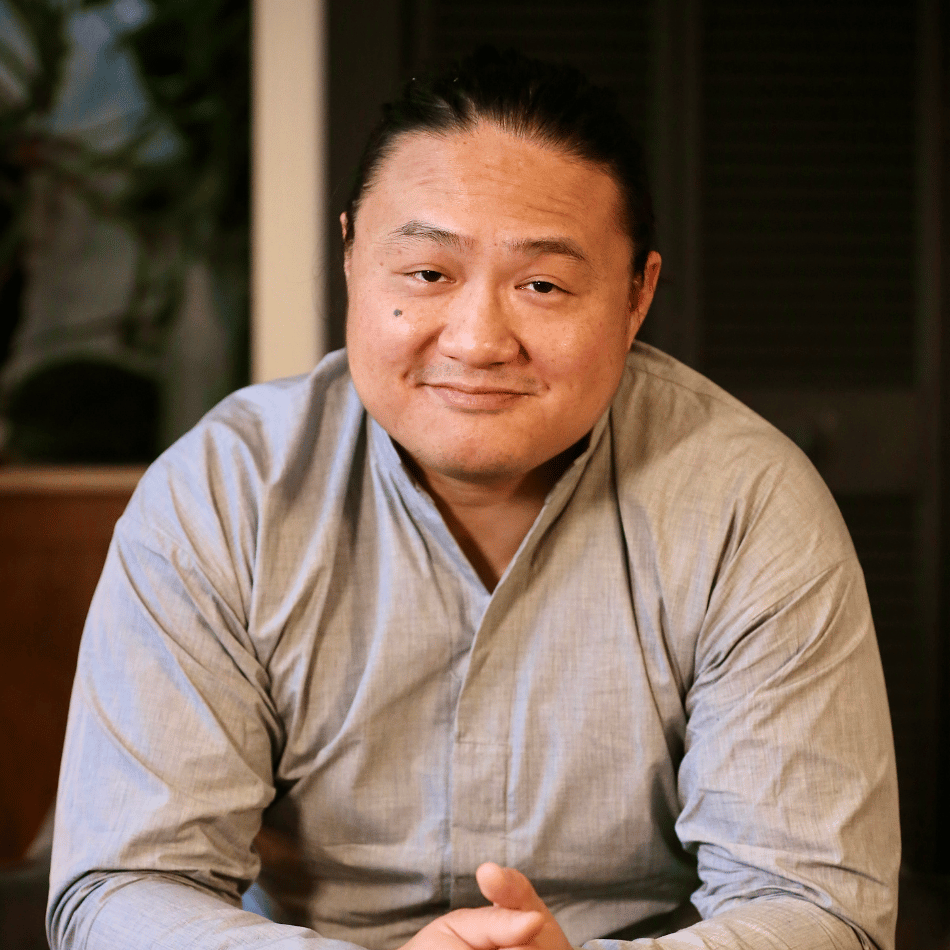
Michael Hung is an Associate Marriage and Family Therapist #154058, supervised by Phillip Chang, LCSW #92156. He is trained in Internal Family Systems (Level 1) and in modalities rooted in a somatically based, trauma-informed approach, such as the Neuroaffective Relational Model (Level 2), Intimacy from the Inside Out (IFIO), and the Gottman Method.