5 Trusted Los Angeles Asian American Therapists
You've spent years navigating worlds that don't always make space for the fullness of who you are—translating between languages, cultures, and expectations. Perhaps you're tired of explaining your family dynamics to therapists who don't intuitively understand, or you're ready to explore identity questions with someone who's walked a similar path.
At Therapy on Fig, our Los Angeles-based Asian American therapists bring both professional training and lived experience to create a space where your story doesn't need translation. Here, we’ll introduce you to our team so you can find the right companion for your journey forward and share more about our approach to supporting Asian American folks’ well-being.
Jump to a therapist
Find your therapist by what you're working on or who they are—both matter. If you’re still unsure who may be the best fit for you, reach out to us, and we will thoughtfully match you.
By lived experience:
Mixed-race Asian American woman: Marina Mendes
Second-gen Korean American: Rachel Kwon
Malaysian-Chinese Third-Culture Kid: Grace Chan
Taiwanese American former musician: Michael Hung
Taiwanese American mother: Sharon Yu
By clinical focus:
Best for life transitions & identity exploration: Marina Mendes
Best for teen-parent dynamics: Rachel Kwon
Best for couples & religious trauma: Grace Chan
Best for complex trauma, grief, and high achiever burnout/stress: Michael Hung
Best for neurodivergent people: Sharon Yu
Meet our Asian American therapists
Marina Mendes
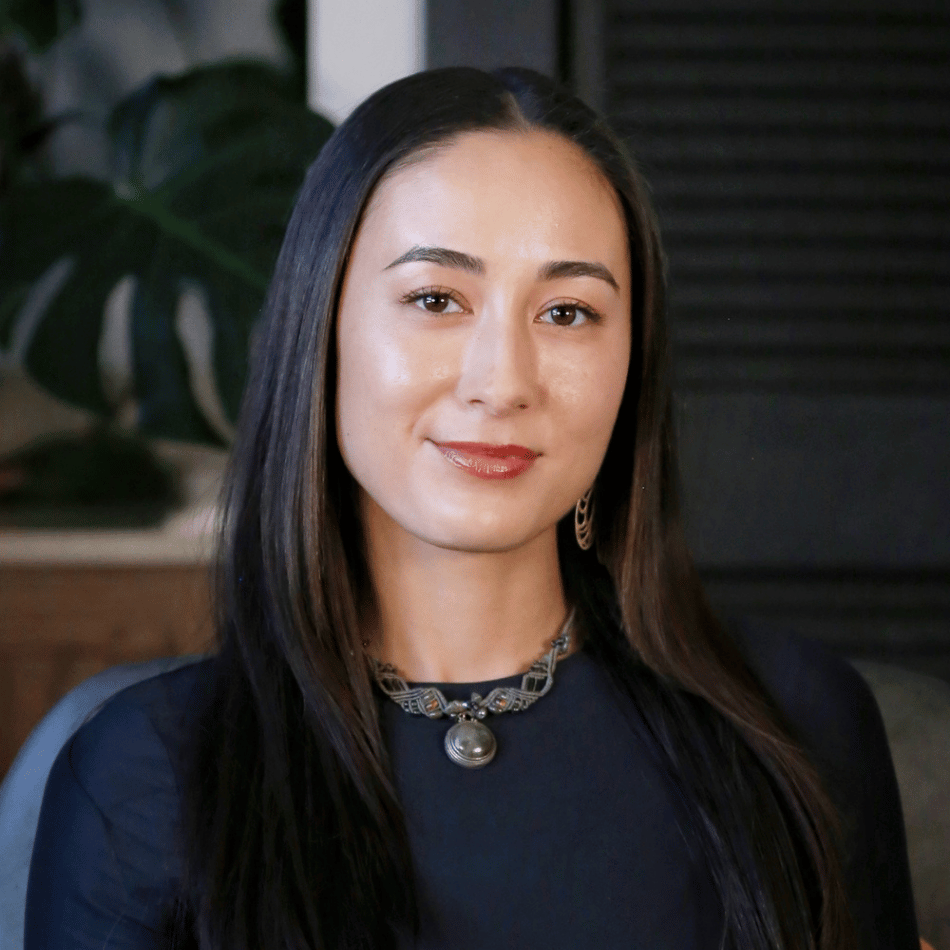
Best for life transitions & identity exploration | Mixed-race Asian American woman
Marina understands what it means to feel "othered" as a mixed-race Asian American queer woman and Highly Sensitive Person (HSP). Her approach weaves IFS with mindfulness and somatic practices, creating space for those navigating major life shifts—whether moving cities, changing careers, or exploring the layers of who you are when the ground beneath you feels shaky and overwhelming.
Credentials: Associate Professional Clinical Counselor
Location: Los Angeles, CA 90042
Virtual therapy?: Yes, in addition to in-person
Rachel Kwon
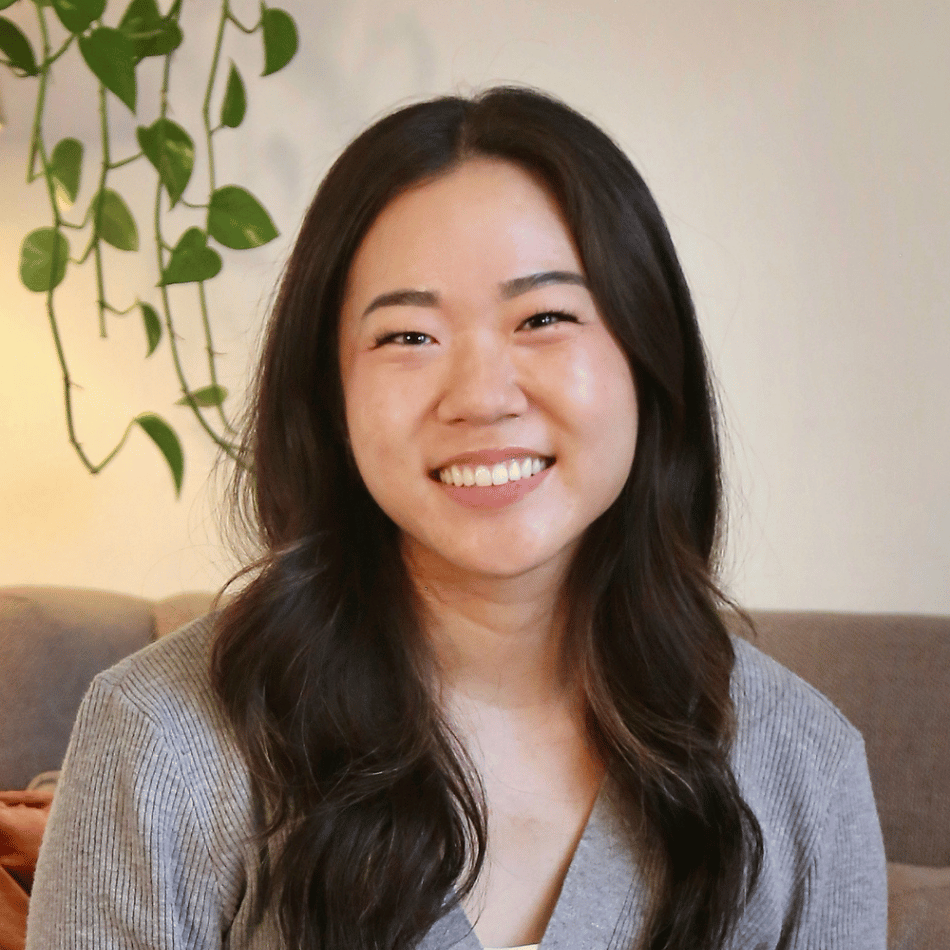
Best for teen-parent dynamics | Second-gen Korean American
Rachel knows the invisible weight of family loyalty, honor, and sacrifice that conflicts with the ache of chronic misunderstanding. As a second-generation Korean American and native Angeleno, she works with both teens who feel unseen and parents trying to bridge the gap, helping families move from push-pull power struggles to genuine connection across generational and cultural divides.
Credentials: Licensed Marriage and Family Therapist
Location: Los Angeles, CA 90042
Virtual therapy?: Yes, in addition to in-person
Grace Chan
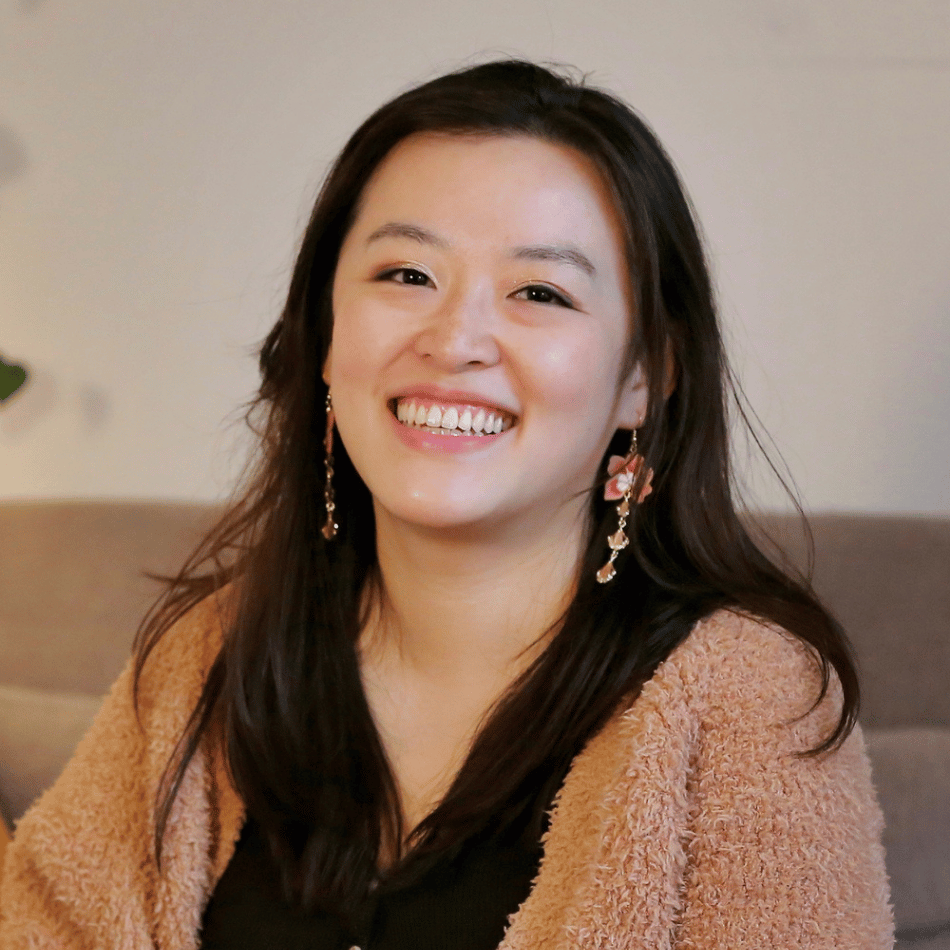
Best for couples & religious trauma | Malaysian-Chinese Third-Culture Kid
Grace brings her lived experience as a Malaysian-Chinese Third-Culture Kid and first-generation immigrant to help couples deepen commitment and individuals heal from painful experiences in religious communities. She blends brainspotting, IFS, and creative arts techniques to support those exhausted from being "stuck in the middle"—whether between partners with unresolved conflicts or the often messy process of reconstructing faith.
Credentials: Associate Marriage and Family Therapist
Location: Los Angeles, CA 90042
Virtual therapy?: Yes, in addition to in-person
Michael Hung
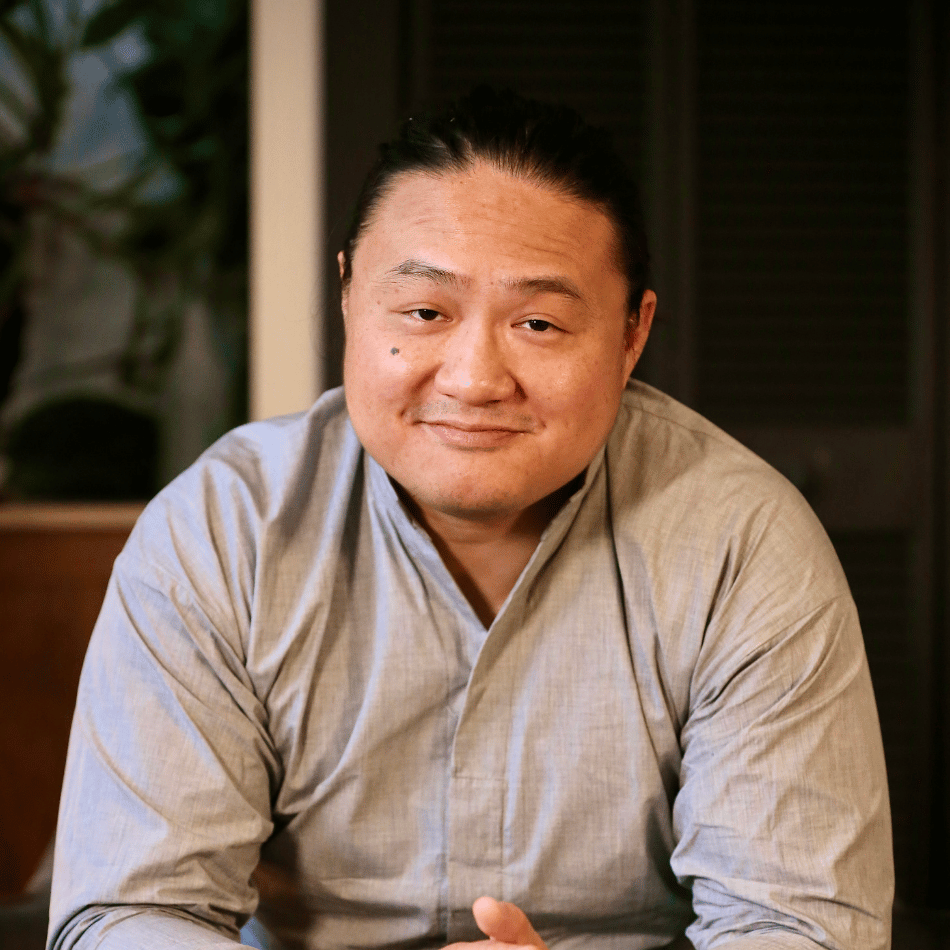
Best for complex trauma, grief, and high achiever burnout/stress | Taiwanese American former musician
Michael understands bicultural identity and intergenerational stories as a Taiwanese American man who spent over a decade as a professional musician and film composer. He works with creatives, stressed and burnt out high achievers, and highly sensitive individuals carrying layers of trauma—those who know how hard it is to keep showing up when hope feels distant, helping them meet their internal experiences with the compassion needed for genuine healing.
Credentials: Associate Marriage and Family Therapist
Location: Los Angeles, CA 90042
Virtual therapy?: Yes, in addition to in-person
Sharon Yu
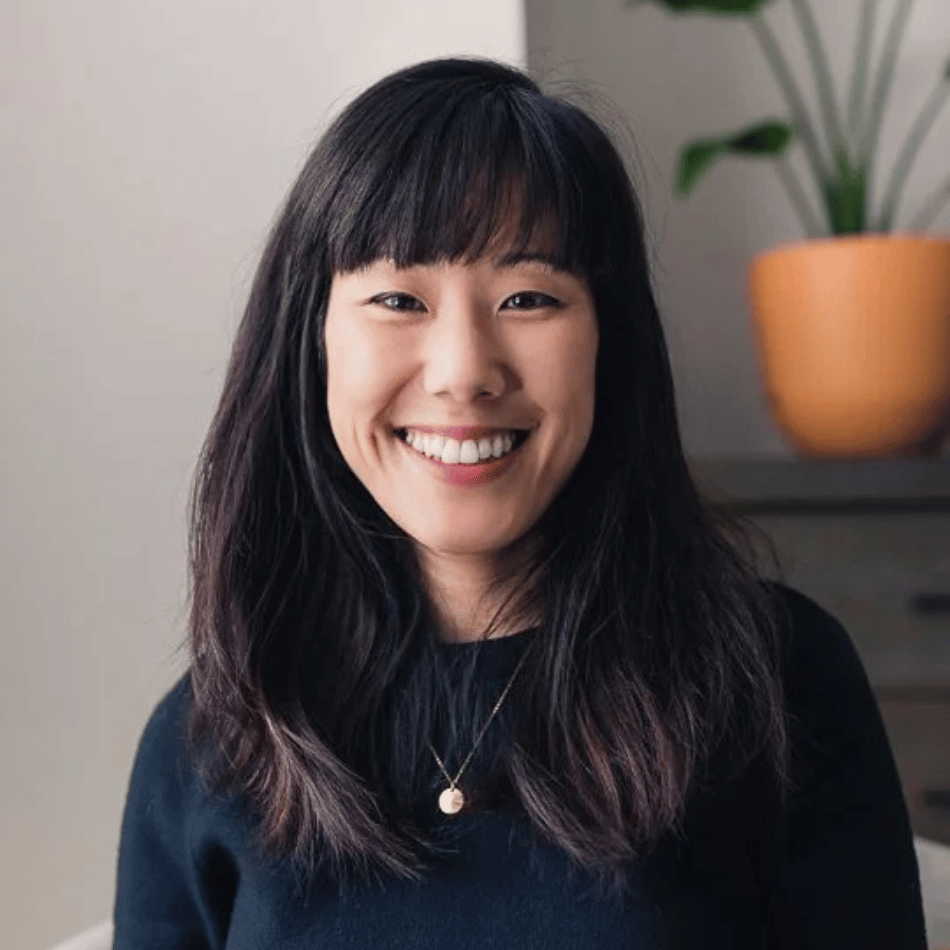
Best for neurodivergent people | Taiwanese American mother
As a Taiwanese American mother of three and introverted INFJ, Sharon brings two decades of experience working with neurodivergent individuals who navigate the world differently. Using an IFS lens, her work with folks embraces sometimes conflicting but always valid parts—those shaped by cultural expectations, neurological wiring, and other internal and external forces. Through this process, Sharon supports you in building trust in your unique system rather than constantly trying to fit a neurotypical mold.
Credentials: Licensed Marriage and Family Therapist
Location: Los Angeles, CA 90042
Virtual therapy?: Yes, in addition to in-person
What sets us apart from other local practices
We're not just a practice that happens to have Asian American therapists—we've built a culture where identity-affirming, non-pathological care is foundational to the care we offer.
All therapists are trained in or highly informed by Internal Family Systems (IFS), an effective trauma-informed modality different from traditional talk therapy
In-person sessions available in Highland Park, Los Angeles, plus virtual therapy throughout California
BIPOC, neurodivergent, and highly sensitive team who bring lived experiences as parents, career-changers, and bridge-builders between cultures
Seasoned associate therapists in their second careers who understand major life transitions intimately
Specialized training in brainspotting, IFIO for couples, and neurodivergent-affirming approaches
Our therapists don't just understand Asian American experiences academically—they've lived the negotiation between family or cultural expectations and your own needs, the weight of model minority myths, and the particular exhaustion of constant cultural translation.
Areas we can support in
Navigating the push and pull between family loyalty and your own desires, especially when choosing your path, means disappointing those who sacrificed for you
Working through the exhaustion of masking and code-switching across different cultural contexts, never quite feeling like you fully belong anywhere
Processing grief around intergenerational trauma and mental health issues within families where suffering was expected to be borne silently
Healing from model minority pressure and the internalized belief that your worth depends on achievement and perfection
Exploring identity questions around what it means to be Asian American when your experience doesn't match dominant narratives
Breaking patterns of people-pleasing and caretaking that have you constantly orienting to others' needs while neglecting your own
Addressing anxiety and depression that arise from living between worlds, never feeling "enough" for either culture
Building authentic relationships where you can show up as your whole self without translation or performance
What to expect from the therapy process
Step 1: Free consultation
Start by filling out this brief online form to inquire about therapy. From here, you’ll speak with our client care coordinator, who will answer your questions and help match you with a therapist. Then, you can schedule another consultation, this time with the therapist of your choice, or book your first session directly.
Step 2: Weekly sessions to establish trust
We typically begin with weekly sessions to build the foundation of safety and trust necessary for deeper work. Consistency matters, especially when you're learning to trust someone with stories you may never have spoken aloud.
Step 3. IFS-informed exploration
Through IFS therapy (often blended with other approaches), we'll explore the different parts of you—including those shaped by cultural expectations, family roles, and survival strategies. You'll learn to recognize which parts are trying to protect you and which parts hold pain that needs tending.
Step 4: Tapering as you integrate
As you develop more trust in yourself and new patterns become sustainable, we'll gradually move to less frequent sessions. The process will never be rushed, and we can always meet more frequently if you need to—we recognize that healing isn’t linear.
FAQs about therapy for Asian American people
-
While working with a therapist who shares aspects of your lived experience isn’t necessary, many people find it especially supportive. There’s a shared context, a deeper understanding of what informs the fabric of your being, that’s simply not there with therapists who haven’t walked a similar path. While Asian Americans are by no means a monolith, working with a fellow Asian American therapist can offer a level of intuition and trust that may be missing with therapists without that shared experience.
-
Our Asian American therapists bring both professional training in trauma-informed, culturally responsive approaches and their own lived experiences navigating bicultural identity, immigration stories, and intergenerational patterns. We understand the systemic issues that shape Asian American experiences—not just as concepts we learned in graduate school, but as realities we've personally negotiated.
-
Absolutely. We work with individuals whose identities span multiple cultures, races, and backgrounds. You don’t need to fit neatly into single categories to belong here—we honor the richness and complexity of your multifaceted identity.
-
Yes to all. Our therapists work with first-generation immigrants navigating acculturation, second-generation Asian Americans breaking generational cycles, and adults parenting teens across cultural divides. We understand that each generation faces distinct challenges, and we tailor our approach to your specific experience, whether you're the one who immigrated or the one carrying the weight of previous generations’ sacrifices.
-
You’re absolutely welcome here. Holding an Asian American identity isn’t a requirement to work with us. We specialize in working with creatives, sensitive feelers and empaths, folks in the entertainment industry, neurodivergent individuals, and those seeking IFS therapy. We also specialize in supporting multicultural and interracial couples (as well as mixed-neurotype couples), so we could be a fit if your partner holds a different identity from you.
-
Yes, this is completely normal, especially given that many Asian cultures view therapy with skepticism or shame. You might worry about being disloyal to your family or fear that seeking help means you've failed. We hold space for all of these concerns, and we'll move at the pace that feels right for you.