10 Los Angeles Depression Therapists [No Waitlist]
Something brought you here. Maybe you’ve been carrying a weight that you once thought was only for a season, but has started to feel more like a permanent state. Maybe you simply have the quiet sense that something is off, but can’t quite put your finger on it.
At Therapy on Fig, our depression therapists offer support for teens and adults who are feeling their way through the fog. We view depression not as a label, but as an experience: one that deserves careful, attuned care from a therapist who genuinely gets it.
Does this sound like you?
For some, depression shows up quietly: not as dramatic lows, but as a persistent flatness. You're still showing up to work, maintaining relationships, checking boxes. But something vital feels missing, and you can't quite name it.
For others, it's heavier. Getting out of bed takes everything. Relationships feel like obligations. Pleasure in things you used to love has gone dull, and the distance between who you are and who you want to be feels impossibly wide.
And for some, depression is tangled up with grief, burnout, identity, or the weight of navigating systems that were never designed with you in mind.
Wherever you are, you're not a failure, and you don’t have to continue suffering on your own. You're carrying more than most people can see, and therapy can offer you a place where that finally doesn't have to be invisible.
Jump to a therapist
Michael Hung: Good fit for creatives, musicians, and those navigating shame and body-based grief
Emily Gaston: Good fit for those processing grief, loss, or family-system trauma
Janelle Malak: Good fit for adults navigating career burnout and major life transitions
Grace Chan: Good fit for first-gen and third-culture individuals carrying intergenerational weight
Kat Primeau: Good fit for high-achieving, sensitive adults whose sense of self has been shaken by loss or illness
Rachel Kwon: Good fit for BIPOC young adults and neurodivergent teens
bert wright: Good fit for queer and trans adults carrying shame, isolation, and inherited pain
Marina Mendes: Good fit for HSPs in life transitions seeking somatic and nature-based support
Gabriella Giorgio: Good fit for highly masked autistic women and neurodiverse couples
Bret Hansen: Good fit for LGBTQ+ adults and creatives who have been accepted but never fully celebrated
If you’re unsure which therapist is a match for you, contact us so we can help connect you with the right fit.
Meet our Los Angeles depression therapists
Michael Hung

Good fit for creatives, musicians, and those navigating shame and body-based grief
What makes my approach to depression distinct is that I work at the level of the body, not just the mind. I draw from somatic trauma modalities like the Neuroaffective Relational Model alongside IFS, which means that we’re getting to the source of your pain instead of focusing solely on symptoms.
I also spent over a decade as a professional musician before becoming a therapist, which gives me a particular fluency with the kind of depression that hides behind productivity and creative output. If you’re the person who is still making things, still showing up, but quietly running on empty inside, I see you.
Credentials: Associate Marriage and Family Therapist #154058
Specialty Areas: Depression, self-criticism, shame, grief, musicians, entertainment industry, body image, anxiety
Emily Gaston
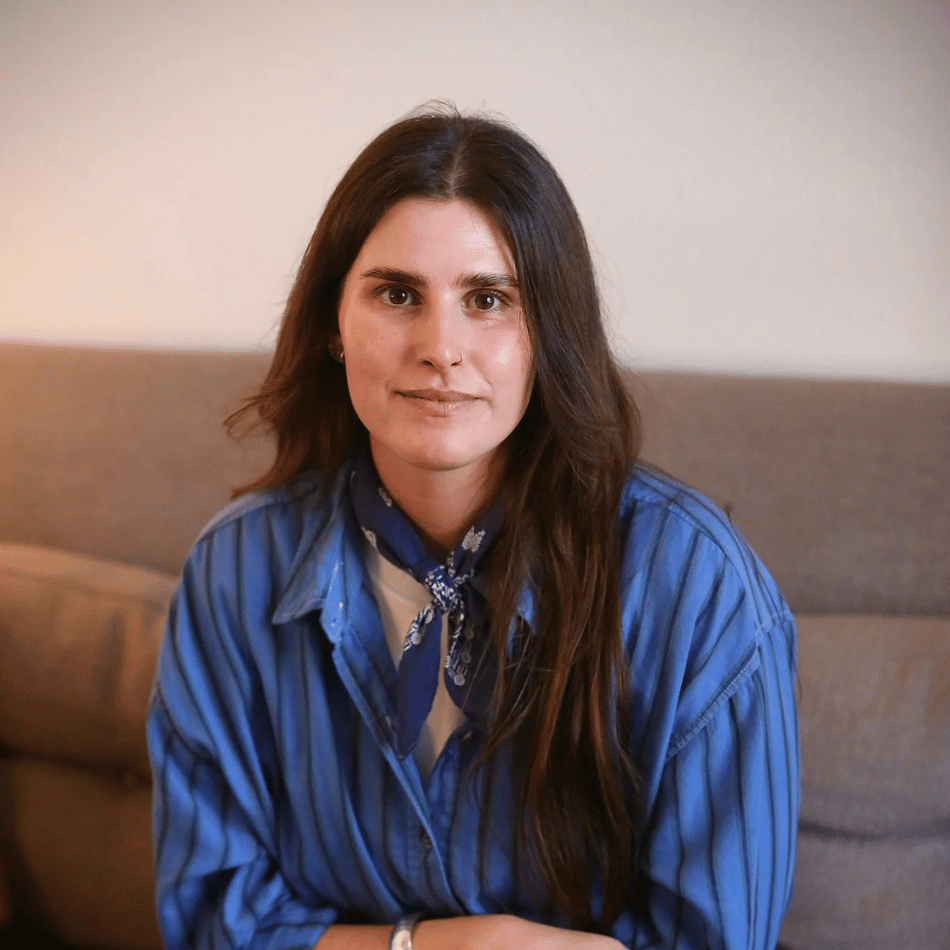
Good fit for those processing grief, loss, or family-system trauma
I grew up knowing loss firsthand, and I've sat long enough with my own grief to understand how thoroughly it can reshape a person's relationship to themselves, to others, and to the future. This lived experience offers a distinct texture that other, traditional depression treatments often lack.
I also work from a relational, depth-oriented, and IFS-informed perspective, which allows us to process the experiences underlying your grief so you can heal at the root, not just mask surface-level symptoms. For clients who feel that their pain is too layered, too old, or too complicated for a structured treatment approach, I offer a space that moves at your pace and trusts your inner capacity for healing.
Janelle Malak
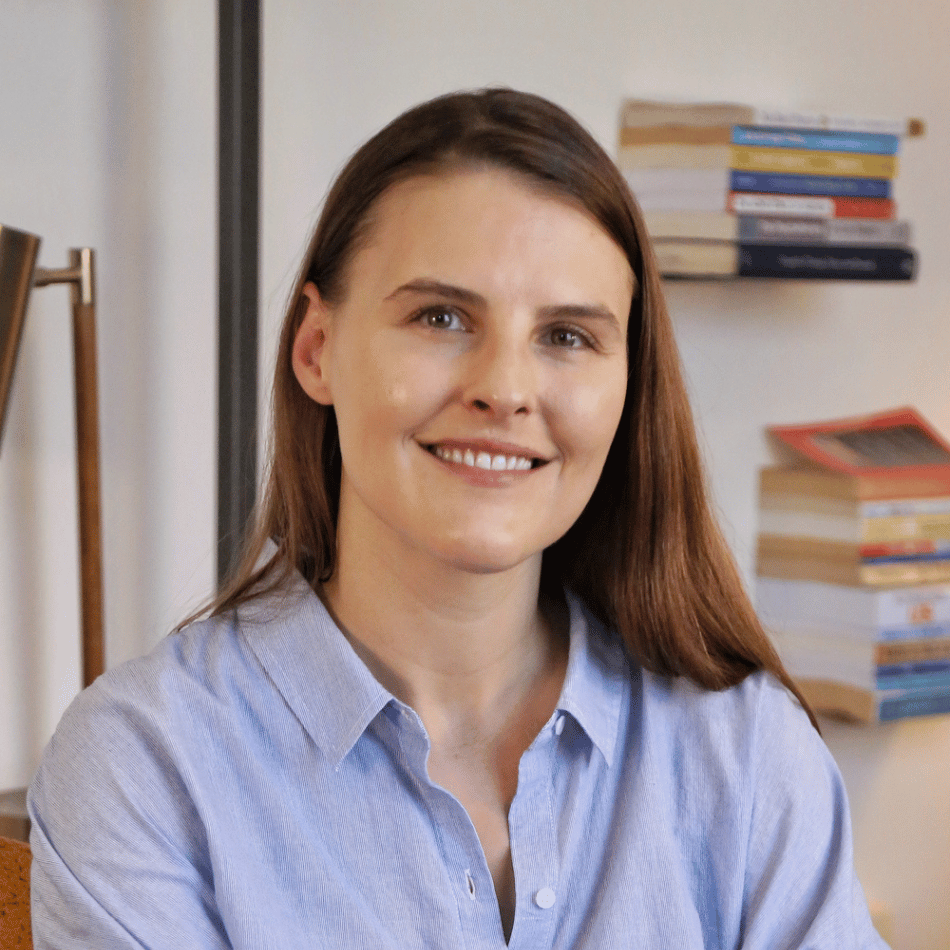
Good fit for adults navigating career burnout and major life transitions
I came to therapy as a second career, after becoming a parent in my late 30s and doing the disorienting work of rebuilding what I thought my life was supposed to look like.
Many of my clients are navigating something similar: a career that no longer fits, a relationship at a crossroads, or an internal conflict between the life they're living and the one they keep imagining. Depression, for a lot of my clients, is what happens when those two things stay in tension long enough.
This shared experience, along with my training in Emotionally Focused Therapy, the Gottman Method, EMDR, and IFS, offers both the relational attunement and the practical frameworks to help you move through, not around, what's heavy.
Credentials: Associate Marriage and Family Therapist #144798
Specialty Areas: Depression, couples therapy, career transitions, burnout, estrangement, parenting, entertainment industry
kat primeau

Good fit for high-achieving, sensitive adults whose sense of self has been shaken by loss or illness
Some depression follows a loss that changed who you thought you were: a person, a diagnosis, a role, a future you'd imagined. If you're the capable one who is used to holding everything together, feeling sad, depleted, or numb can be disorienting, and you may be wondering why you're still struggling. As a lifelong creative with lived experience of grief, chronic illness, and insomnia, I know how heavy that can be.
I integrate IFS with CBT for insomnia, so we can understand the parts of you carrying sorrow, stress, and pressure while also building the rhythms that support rest and steadiness. Our pace is intentionally slow, with room for what can't be fixed to be witnessed, and for meaning, creativity, and even humor to return in their own time.
Credentials: Associate Clinical Social Worker #140176
Specialty Areas: Depression, grief and loss, chronic illness, insomnia, caregiving and the sandwich generation, anticipatory grief, highly sensitive adults, creatives
Grace Chan

Good fit for first-gen and third-culture individuals carrying intergenerational weight
What distinguishes my work from traditional depression counseling is the integration of Brainspotting (a trauma-processing modality that accesses the deeper brain regions where emotional memory is stored) alongside IFS and creative arts therapies. This matters because the depression I most often see in my clients isn't primarily cognitive; it's somatic and relational, rooted in years of carrying intergenerational weight and cultural expectations that were never theirs to hold.
As a Malaysian-Chinese, third-culture adult and first-generation immigrant myself, I bring a lived understanding of what it costs to be perpetually in translation: between cultures, between family roles, between who you were raised to be and who you are still becoming. That specificity of experience matters when it’s such an integral part of your story.
Credentials: Associate Marriage and Family Therapist #142670
Specialty Areas: Depression, intergenerational and cultural trauma, first-gen and third-culture identity, religious trauma, Brainspotting, creative arts, couples, teens
Rachel Kwon
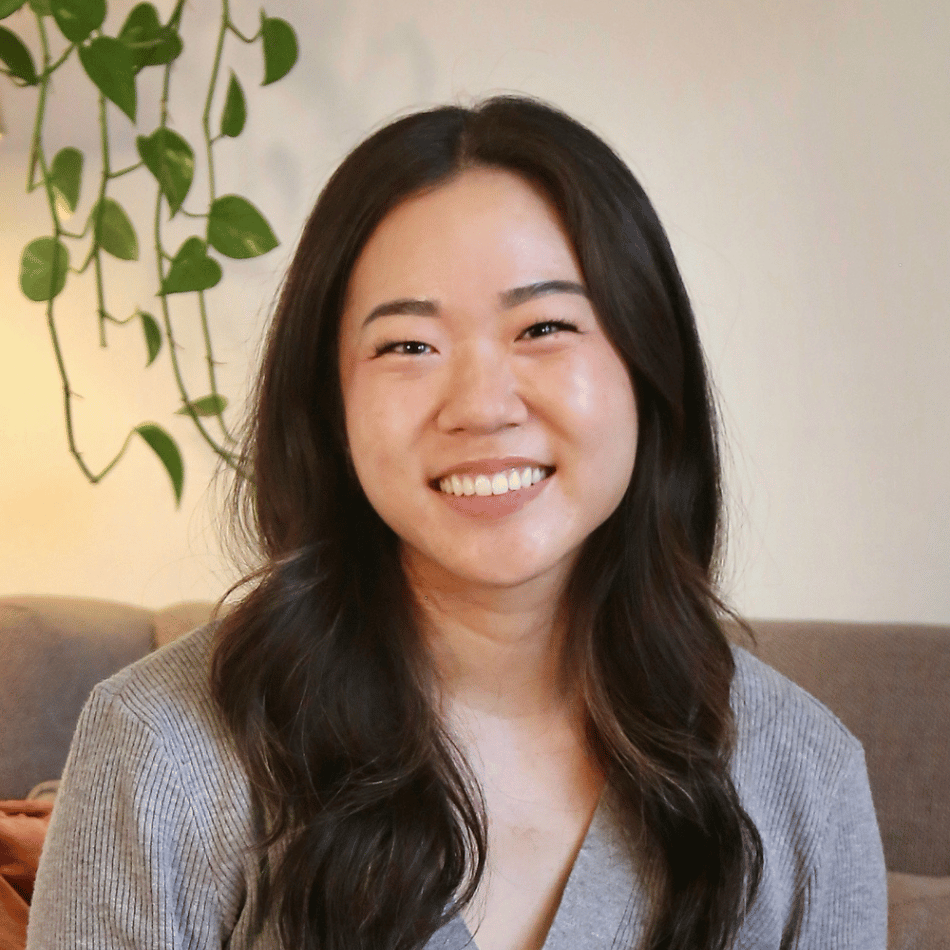
Good fit for BIPOC young adults and neurodivergent teens
I am one of the few licensed therapists in Los Angeles whose practice centers specifically on the intersection of neurodivergence, BIPOC identity, and teen mental health—and I hold that niche not just clinically, but personally. Growing up as a second-generation Korean American in a family navigating severe mental illness, I know what it's like to become highly attuned to others' emotional states as a survival strategy, and how that hypervigilance quietly becomes its own form of depression over time.
I’m especially passionate about supporting teens and young adults navigating disconnection at home and school, or those growing up as the scapegoat or the invisible one, still unsure where their mask ends and their actual self begins.
Credentials: Licensed Marriage and Family Therapist #149091
Specialty Areas: Depression, teens, young adults, adults parenting teens, BIPOC, neurodivergence, Highly Sensitive People (HSP), family mental illness, Brainspotting, IFS
bert wright
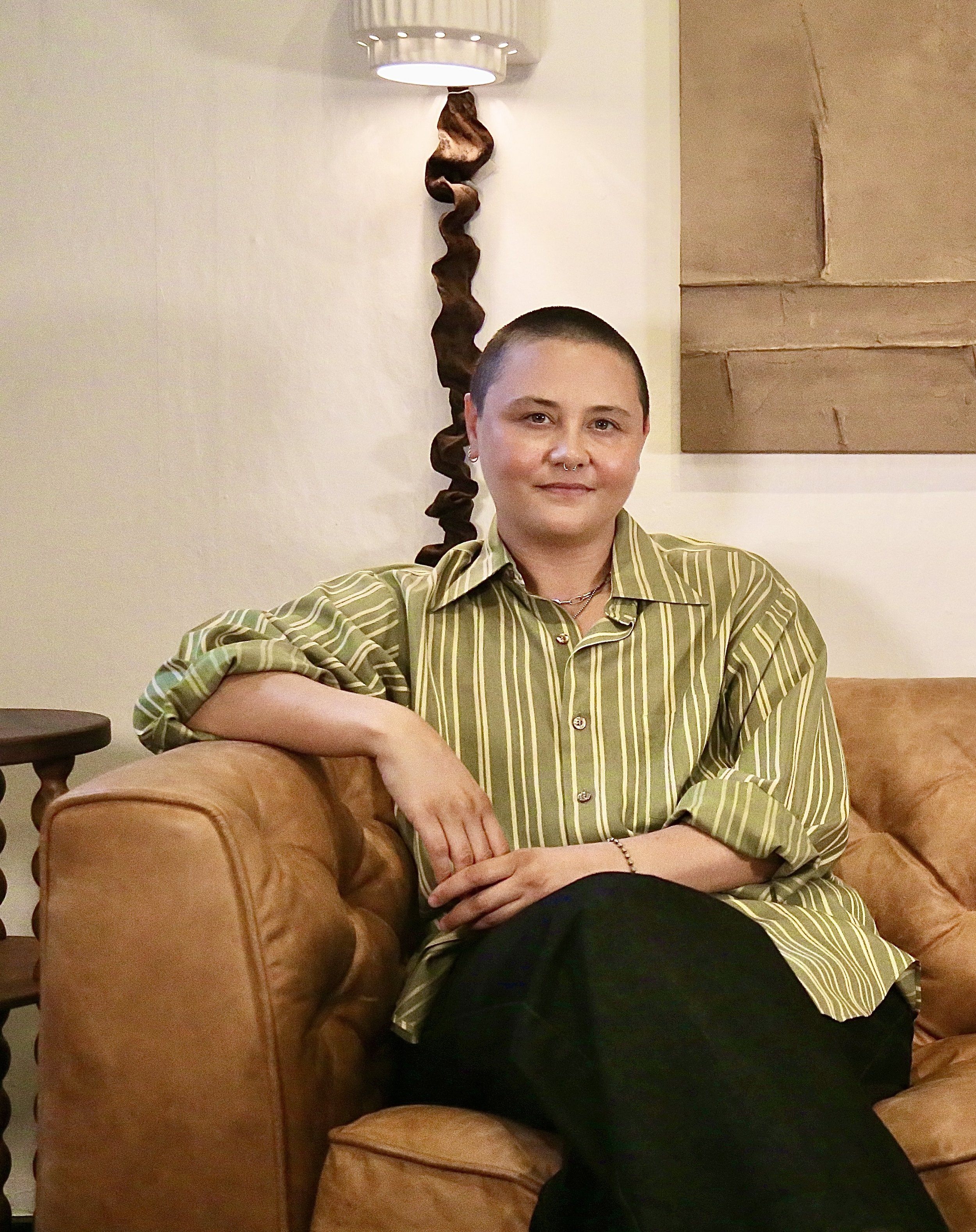
Good fit for queer and trans adults carrying shame, isolation, and inherited pain
Depression doesn't happen in a vacuum. For many of my clients, it grows out of years of hiding, of belonging conditionally, and of living inside systems that were never built for them. As a transgender non-binary and queer person who came out in many ways later in life, I know the weight of that, and I know how much lighter it can feel to stop hiding the parts of yourself that carry shame.
I work from an IFS-informed, relational, and somatic lens, with EMDR training for what the body has stored. Together, we honor the protective strategies that helped you survive, understand where the heaviness came from, and explore what's ready to change, so you can build the trust in yourself that says, "I'm going to be okay."
Credentials: Associate Marriage and Family Therapist #164075
Specialty Areas: LGBTQIA+ and trans-affirming therapy, shame, generational cycle-breaking, trauma, gender and sexuality exploration, life transitions
Marina Mendes
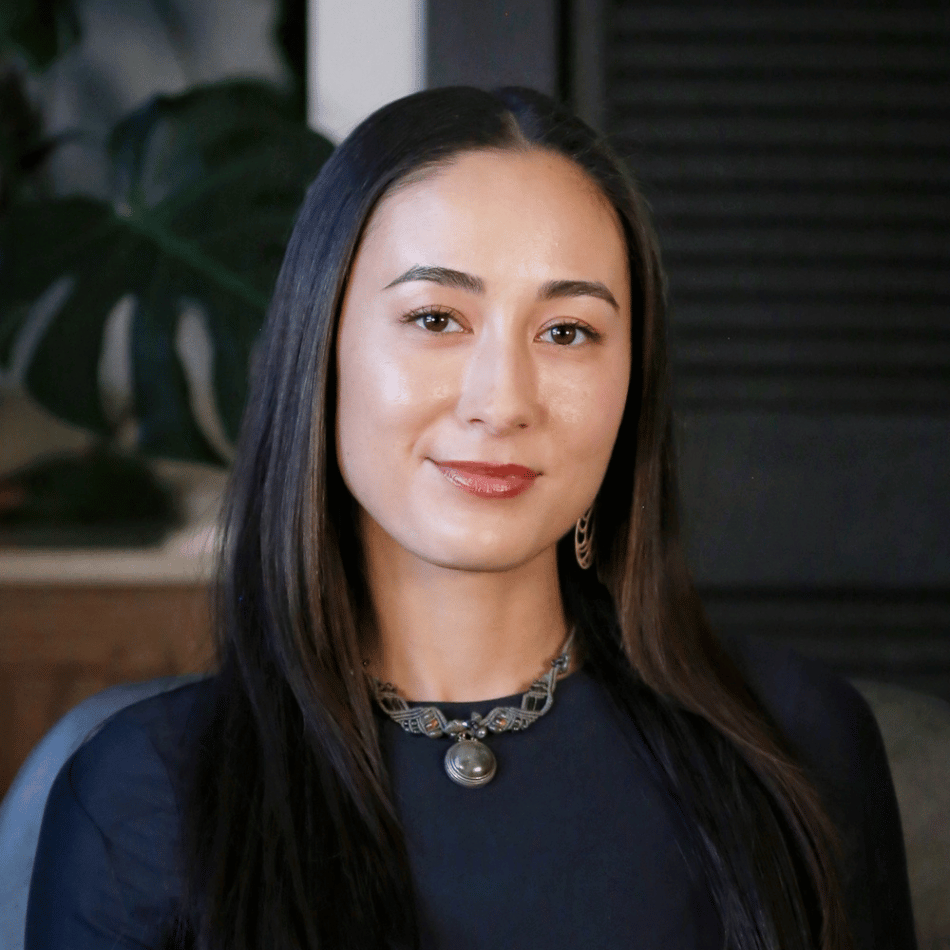
Good fit for HSPs in life transitions seeking somatic and nature-based support
My approach to depression is distinct in that it draws from three certified bodies of training that most therapists don't hold simultaneously: IFS, somatic coaching, and nature therapy, along with my background as a yoga instructor and former wilderness guide.
For highly sensitive people, depression often has a strong somatic dimension: the body is dysregulated, disconnected, or chronically braced, and no amount of insight alone resolves it. What I offer is a genuinely integrative container where we can work at the level of the nervous system, the natural world, and the internal parts all at once.
If you've ever felt that something deeper than mood is calling for attention—something closer to longing, or spiritual disorientation—I’d love to work with you.
Credentials: Associate Professional Clinical Counselor #15511
Specialty Areas: Depression, Highly Sensitive People (HSP), life transitions, grief, mixed-Asian identity, somatic practices, nature therapy, spirituality, IFS
Gabriella Giorgio
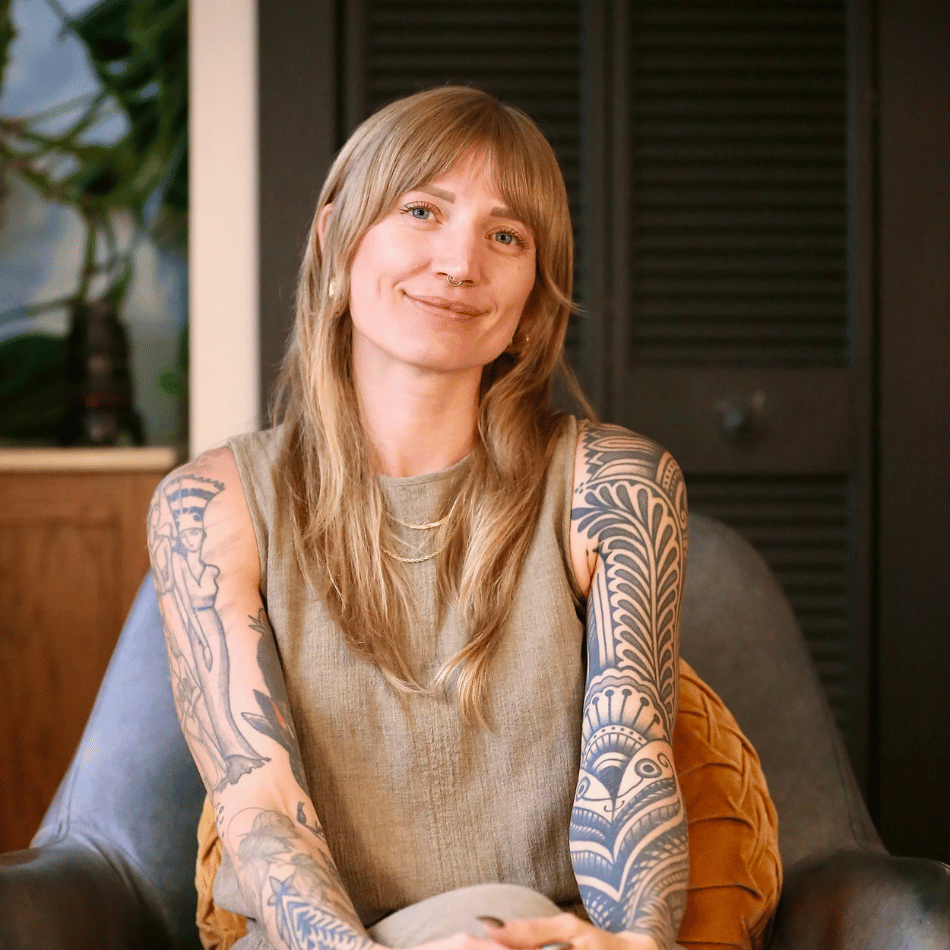
Good fit for highly masked autistic women and neurodiverse couples
As a late-discovered autistic person, I bring something to depression work that most therapists cannot: a genuine insider understanding of the specific depression that forms after decades of masking—not sadness, exactly, but a deep, chronic flatness that results from spending so much energy performing neurotypicality that you've lost access to who you actually are underneath.
My clinical training in the Gottman Method and IFS gives me both the relational and internal frameworks to address this at multiple levels, but it's the lived specificity I carry that tends to make the difference for clients who have seen other therapists and still felt fundamentally misunderstood. This is particularly true for highly masked autistic women and neurodiverse couples, who often arrive having been pathologized rather than truly seen.
Credentials: Associate Marriage and Family Therapist #140682
Specialty Areas: Depression, highly masked autistic women, attachment wounds, neurodiverse couples, codependency, highly sensitive mothers, people-pleasing, IFS
Bret Hansen

Good fit for LGBTQ+ adults and creatives who have been accepted but never fully celebrated
Before becoming a therapist, I spent decades as a creative director working in design, publishing, and branding— work that was fundamentally about helping people make meaning, feel oriented, and feel understood. I bring that same sensibility into the therapy room, and it shapes how I work with depression in: getting curious about what’s underneath and how we can make sense of it.
I’m trained in Emotionally Focused Therapy, Hakomi Mindful Somatic Psychotherapy, and IFS, giving me a layered approach that’s relational, body-based, and parts-oriented. I've found that this lens tends to be especially effective for clients whose depression is rooted in a long history of self-concealment.
I enjoy working with LGBTQ+ adults who describe being 'accepted' by their families and communities, but who carry a quieter wound: the difference between being tolerated and having their full self genuinely welcomed and delighted in.
Credentials: Associate Marriage and Family Therapist #155624, IFS Level I Trained
Specialty Areas: LGBTQ+ identity and belonging, creatives and artists, emotionally sensitive adults, life transitions
What sets our practice apart from other Los Angeles depression counseling providers
At Therapy on Fig, we approach depression not as a diagnosis to manage but as an experience to understand—one that is almost always shaped by history, identity, and the systems a person has had to navigate.
IFS-trained and informed team: All of our therapists work with or are deeply informed by Internal Family Systems, a model that views depression as a protective response from parts of you that have been doing their best for a long time.
Non-pathological, trauma-informed lens: We don't lead with diagnostic labels. We lead with curiosity about what your symptoms are trying to tell you.
Culturally attuned care: Our team includes BIPOC, neurodivergent, and HSP therapists who bring both clinical training and lived experience to the work.
Experiential modalities beyond talk therapy: From Brainspotting to somatic practices to creative arts, we meet clients where talk therapy reaches its limits.
Seasoned associate therapists: Many of our clinicians are in their second careers, bringing the depth of lived experience—as parents, creatives, immigrants, and partners—into the room.
In-person and virtual availability: We see clients in Highland Park, Los Angeles, and virtually across California.
What to expect from the therapy process
1. Free phone consultation
Before you commit to anything, you'll have a brief call with our intake coordinator to ask logistical questions and get matched with a therapist before committing to the process. From here, you can also elect to schedule an additional free consultation with your therapist of choice.
2. Your first session
Your first appointment is an extended conversation. Your therapist will take time to understand your history, your context, and what's been showing up for you lately. This is where the therapeutic relationship starts to take root.
3. Finding your pace & rhythm
Most clients start with weekly sessions. This consistency matters, especially early in the work, because trust and depth build over time. Your therapist will work with you to find an approach and cadence that fits your life.
4. Ongoing, evolving work
Therapy with us isn't linear, and it isn't indefinite. Over time, the work deepens, patterns shift, and sessions may become less frequent as you integrate what you've built. You'll know when you're ready.
FAQs about therapy for depression
-
Depression doesn't always look the way it's portrayed in popular culture. For many people, it shows up not as visible sadness but as:
A persistent low mood that lingers even when things are "objectively fine"
Loss of interest in things that used to feel meaningful
Difficulty concentrating, making decisions, or feeling motivated
Chronic exhaustion that sleep doesn't fix
A sense of numbness or emotional flatness
Increased irritability, withdrawal, or self-criticism
Grief or hopelessness about the future
If any of these feel familiar, it’s worth reaching out for support.
-
Therapy offers something that time or willpower alone often can't: a space to understand the roots of your depression instead of just managing its surface symptoms. We use approaches like IFS, somatic work, and trauma-informed care to help you shift longstanding patterns and find lasting relief.
-
This is a genuinely nuanced question, and a good therapist will help you think through it rather than push you in any particular direction. Some people benefit most from therapy alone; others find that medication creates enough stabilization to make the deeper work of therapy more accessible. We're happy to discuss this with you as we grow to understand your unique experience.
-
Yes, depression therapy is often covered by insurance. We accept Cigna and Aetna, and we provide monthly superbill receipts for clients with PPO plans seeking out-of-network reimbursement. You can check your benefits using our practice's benefits checker before your first session.