Accepted not celebrated
Many of us who are gay or queer have a coming out story. In conversations with friends and clients, I’ve heard many versions. For some, coming out involves rejection and loss. For others, it includes acceptance. A parent may lovingly say, “We still love you” and that acceptance is important.
These stories can be heartwarming, and they deserve to be honored.
But lately I’ve been thinking about what somatic therapists call “missing experiences”: the nourishing experiences we need from early caregivers, but do not always receive.
There is nourishment in acceptance. And yet, something may still be missing. Being accepted as gay or queer is not the same as being celebrated as gay or queer. We need to be accepted for who we are, but from our caregivers and loved ones, we also need to be delighted in. As children, we need to experience our parents’ faces lighting up when they see us. As we grow into adolescents and young adults (when we typically come out) that need to be celebrated doesn’t disappear. We learn to love ourselves, in part, by witnessing others love us.
When our queerness is accepted but not celebrated, we survive. We may shrug and tell ourselves that acceptance is already pretty great. And often it is. After all, there may have been no obvious rejection. But a small message can still get through: This part of me is allowed, but not fully embraced or loved.

Over time, that message can become shame. Not always loud shame. More often, it shows up as self-management. We may learn to manage our gayness.
We may adjust our voices, avoid talking about dates, hide desire, soften our gestures, or make ourselves easier to love. We may emphasize the parts of ourselves that are celebrated: becoming hard workers, good students, funny friends, caretakers, achievers, or people pleasers. For some of us, pride becomes a necessary protection. Pride can help us stop apologizing for who we are. But even pride can become a kind of armor when the deeper longing is still to belong without performance.
Underneath these adaptations is a wish to be embraced as we are. To be celebrated and delighted in, not despite our queerness, but because of it.
Therapy can help us name this missing experience and notice how we adapted around it. In IFS therapy, we might get to know the parts that learned to charm, hide, scan, perform, or protect against shame. These parts helped us stay connected when some expression of our gayness felt risky, but they may not be serving us anymore. Therapy is a way to build a different relationship to the parts of ourselves we had to manage. We slow down. We notice what happens in the body when we speak honestly, receive warmth, feel desire, express softness, or let ourselves be seen. We begin to recognize the old reflexes: bracing, shrinking, joking, pleasing, disappearing, or preparing for rejection.
Then, in small and tolerable ways, we practice doing something different. We let the hidden part speak. We allow warmth to come in without immediately deflecting it. Over time, shame begins to loosen because the nervous system is having a new experience: more of me can be here, and I am still safe, still wanted, still met.
The work is not to become more acceptable. Many of us have already spent enough of our lives trying to do that. The work is to recover the parts of ourselves that learned they were too much, too gay, too tender, too strange, or not enough.
Start working with a LGBTQ+ affirming IFS therapist in Highland Park and Los Angeles
The work is not to become more acceptable. Many of us have already spent enough of our lives trying to do that. The work is to recover the parts of ourselves that learned they were too much, too gay, too tender, too strange, or not enough.
Reach out to schedule a free consultation.
Speak with a queer or gay therapist who specializes in LGBTQ+ affirminative individual or couples therapy
You are to be delighted in and celebrated
Other Services Offered at Therapy on Fig
At Therapy on Fig, we provide therapy services tailored to the unique needs of couples, adults, and teens. We offer Neurodivergent Affirming Therapy, IFS Therapy, Therapy for Empaths, Trauma Therapy, Couples Therapy, Teen Therapy, ADHD Therapy, Group Therapy, Therapy for Entrepreneurs, Anxiety Therapy, Therapy for Autistic People, Depression Therapy, Premarital Counseling, LGBTQ Affirming Therapy, and CPTSD Therapy. Whether you're seeking support for a specific issue or looking to strengthen your relationship overall, our therapists are here to help. Reach out today to learn more about our services!
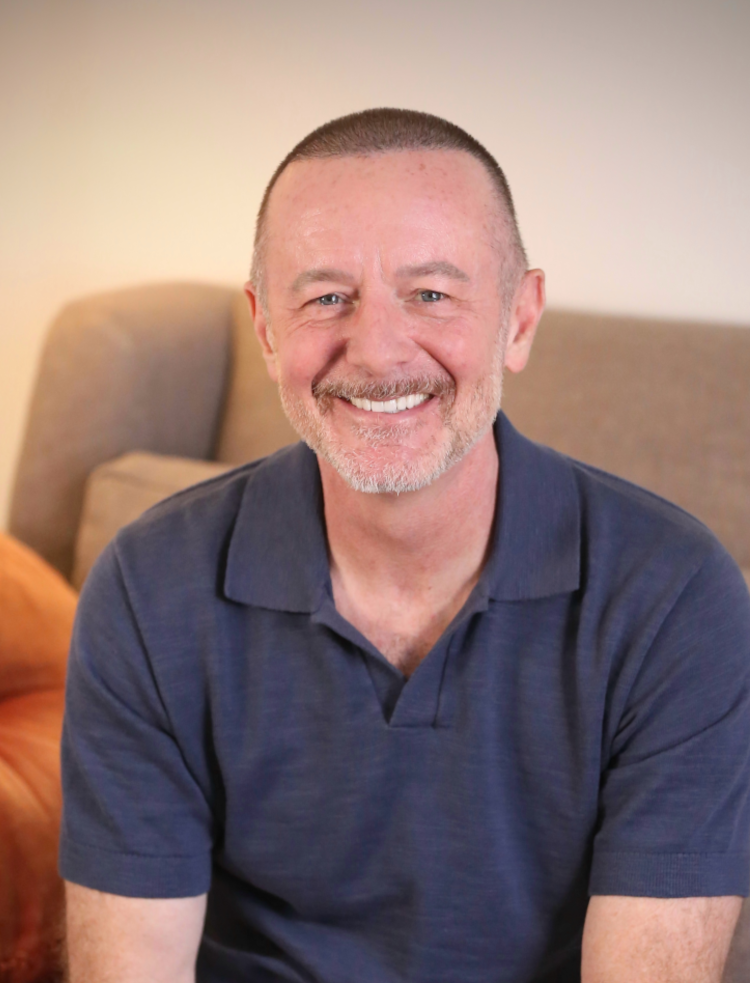
Bret Hansen is an Associate Marriage & Family Therapist, #155624, supervised by Courtney Watson, LPCC, #21190. Trained in Emotionally Focused Therapy (EFT) and currently pursuing further certification in Level 1 Internal Family Systems (IFS), Hakomi Mindful Somatic Psychotherapy, and psychodynamic psychotherapy, he supports individuals and couples in understanding emotional patterns, navigating conflict, deepening intimacy, and building more authentic relationships with themselves and others.