6 Los Angeles Complex PTSD Therapists [Now Accepting Clients]
Our past experiences can settle into our bones in ways that can feel confusing or difficult to pinpoint. For some, it’s deeply entrenched patterns of perfectionism, self-criticism, or avoidance. For others, it’s quite literally physical: chronic tension, headaches and stomach issues, or other unexplained sensations.
At Therapy on Fig, our Los Angeles CPTSD therapists are here to meet you in all of it. We specialize in supporting folks who are carrying the weight of old wounds, either consciously or unconsciously, using both traditional talk therapy and experiential IFS.
Meet our Los Angeles CPTSD therapists
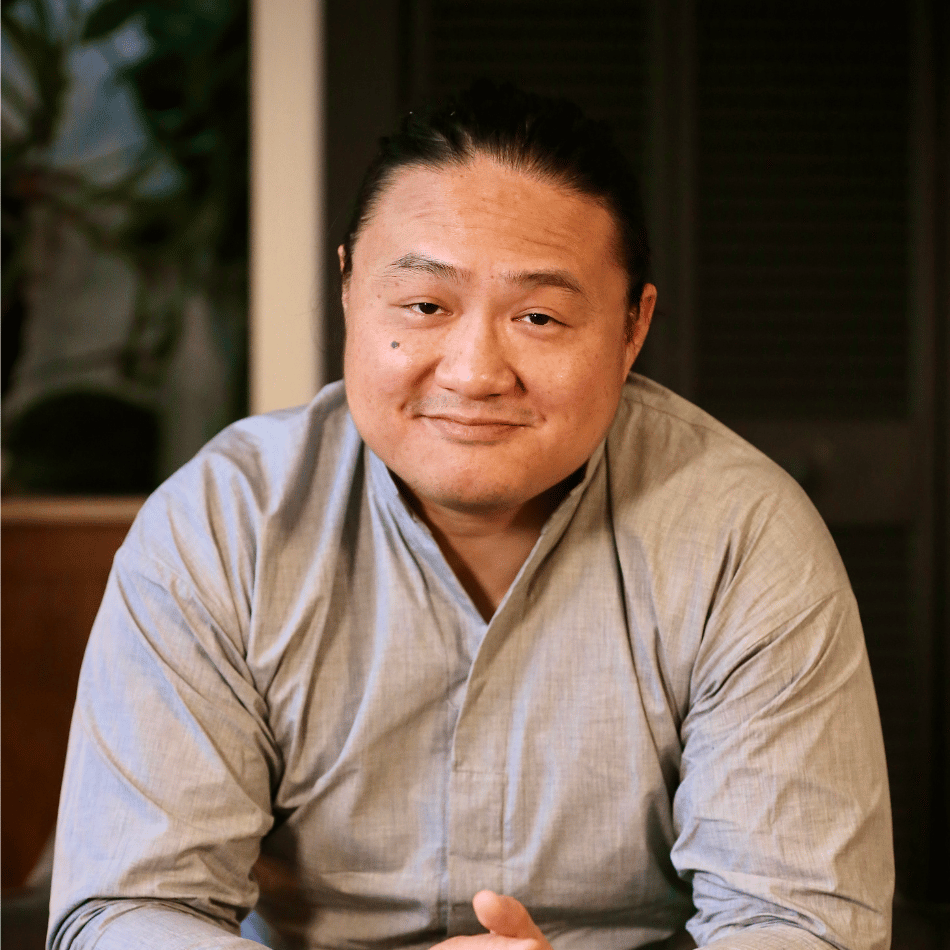
Michael Hung
Having lived through complex trauma myself, I understand firsthand the challenges of continuing to show up when change feels out of reach. I bring this personal experience, along with my background as a professional musician and film artist, to my work with creatives and highly sensitive individuals who are feeling the ripples of early experiences. I’m especially passionate about helping people reconnect with their bodies in a safe and empowering way, drawing on my practices in trauma-informed strength training and Brazilian Jiu-Jitsu.
Credentials: Associate Marriage and Family Therapist #154058, Level 1 IFS Trained
Specialty Areas: Complex trauma, creatives & entertainment industry professionals, Asian American & multicultural communities, those with complicated relationships to body, food, and movement
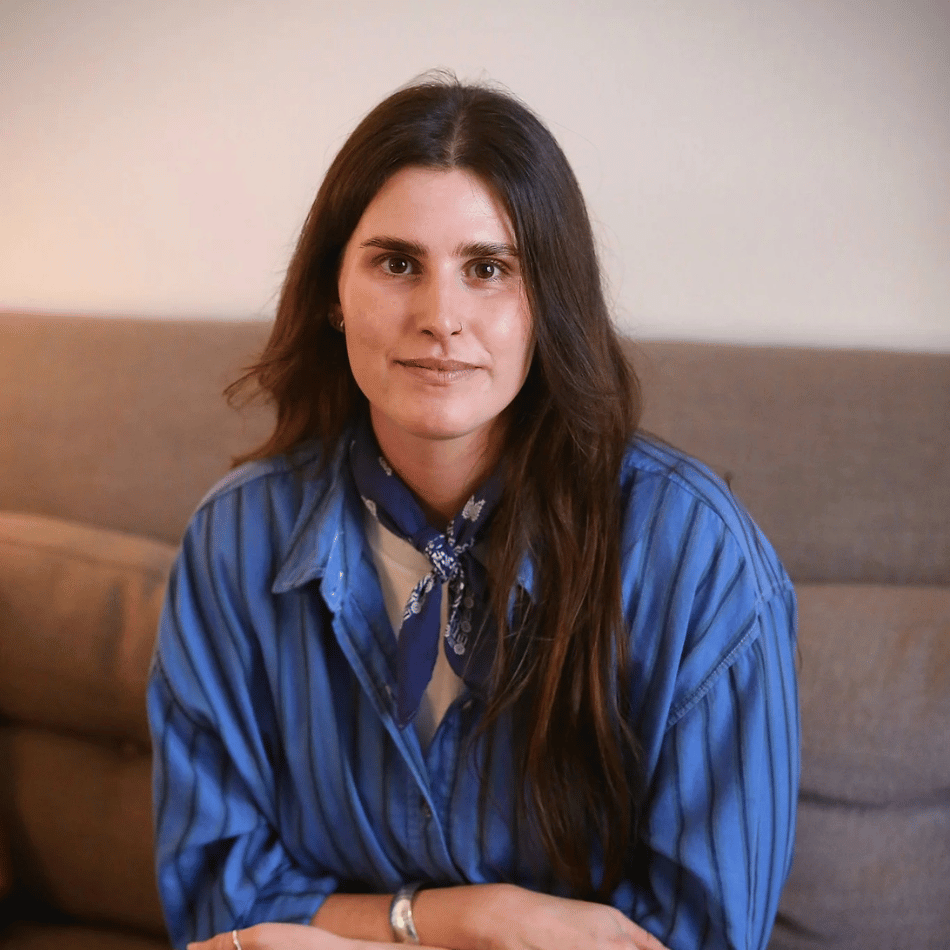
Emily Gaston
As the child of a deceased parent, I learned early that healing often requires a kind of witnessing that our culture rarely makes room for. That experience is central to shaping how I show up as a therapist. With the folks I support, I offer a grounded, attuned, empathetic presence, supporting you in tapping into the innate wisdom that you already carry. Together, we can process what you’ve been through and explore how to find meaning and purpose in how you choose to move forward.
Credentials: Registered Associate Marriage and Family Therapist #155211, Registered Associate Professional Clinical Counselor #19502
Specialty Areas: Complex trauma, grief & loss, queer and poly/ethically non-monogamous relationships, teens, young adults
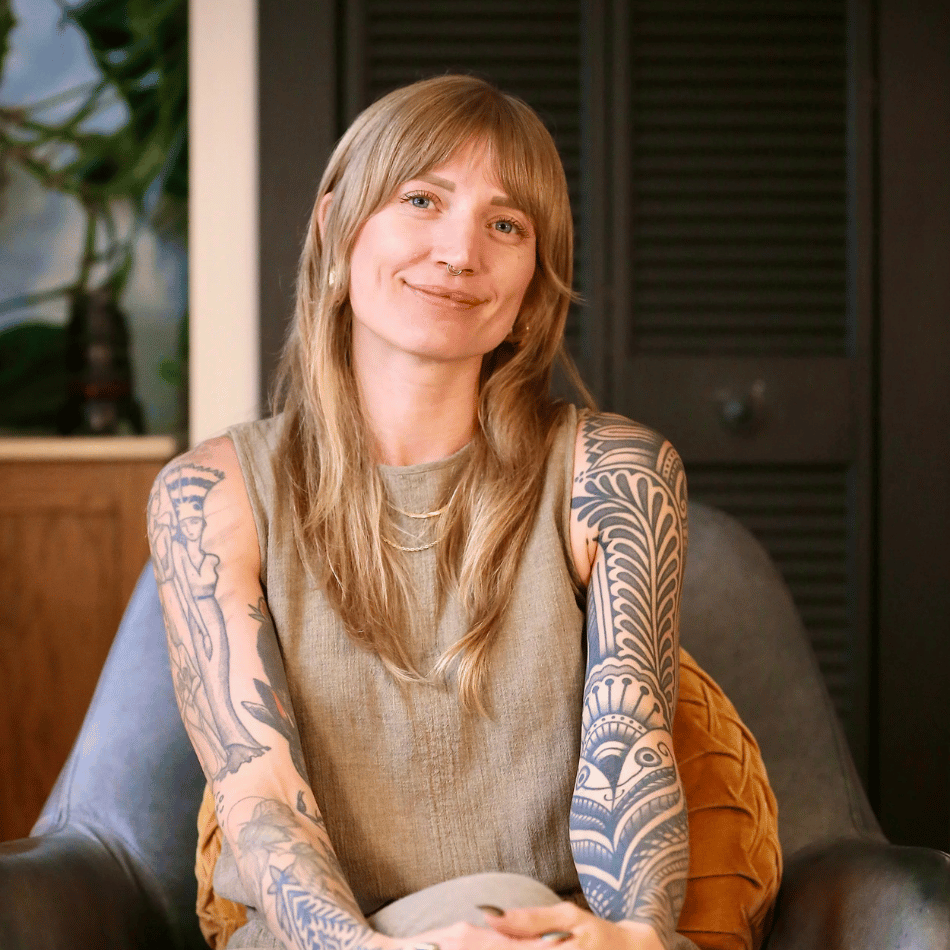
Gabriella Giorgio
As a late-discovered autistic person, I know intimately how years of masking for safety can leave you exhausted, disconnected, and unsure of yourself. I’m also a mother to a toddler who’s been challenged with the task of reparenting myself as an adult, so I bring a particular understanding to those who are healing from the dynamics presented by their families of origin. My approach is grounded in IFS, helping you honor the protective parts that kept you safe and gently invite the parts beneath them into being known.
Credentials: Associate Marriage and Family Therapist #140682, Level 1 IFS Trained
Specialty Areas: Complex attachment trauma, highly-masked autistic women, anxious people-pleasers, highly sensitive mothers, neurodiverse couples
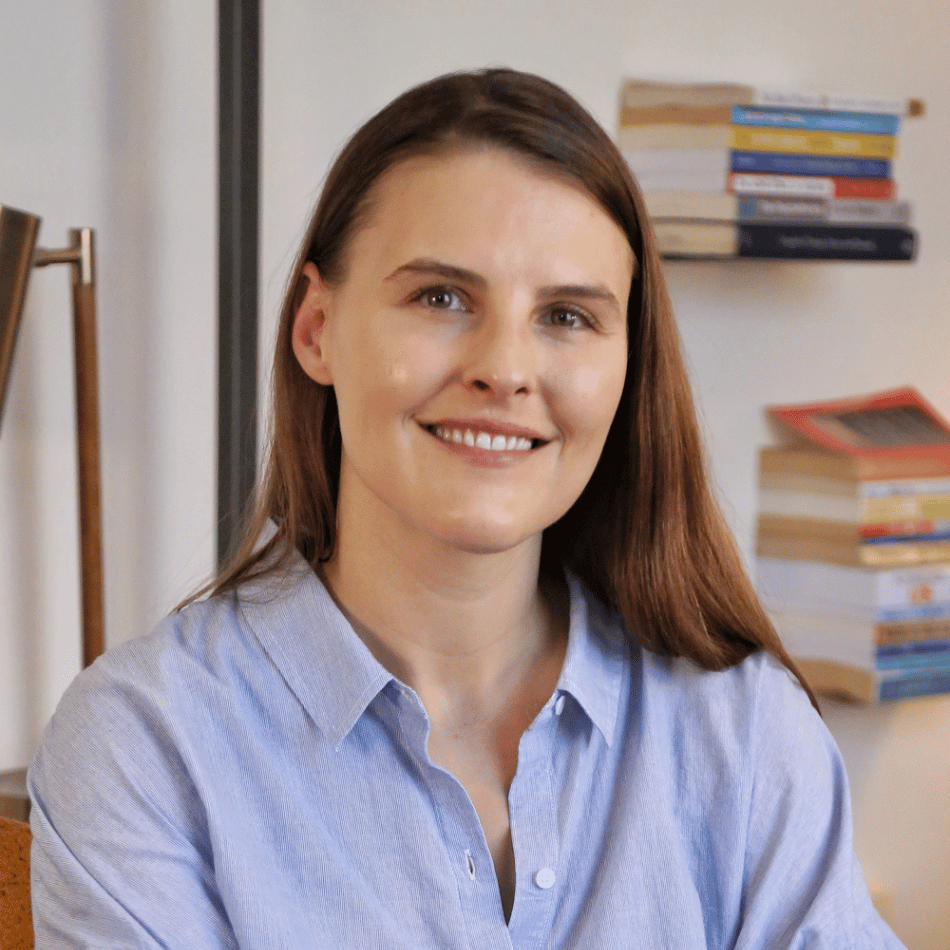
Janelle Malak
As a partner in a multiracial and neurodiverse relationship, I understand intimately how attachment ruptures show up in subtle, layered ways. I work especially well with clients navigating relational trauma, couples who feel disconnected, and those on all sides of estrangement in their families. I draw from an IFS-informed lens, as well as relationship therapy methods like Emotionally Focused Therapy and the Gottman Method, to help you tend to both the original wound and the protective patterns it left behind.
Credentials: Associate Marriage and Family Therapist #144798, EMDR trained, EFT trained
Specialty Areas: Complex trauma, those experiencing estrangement, couples, career burnout, new parents, anxious creatives, entertainment industry professionals
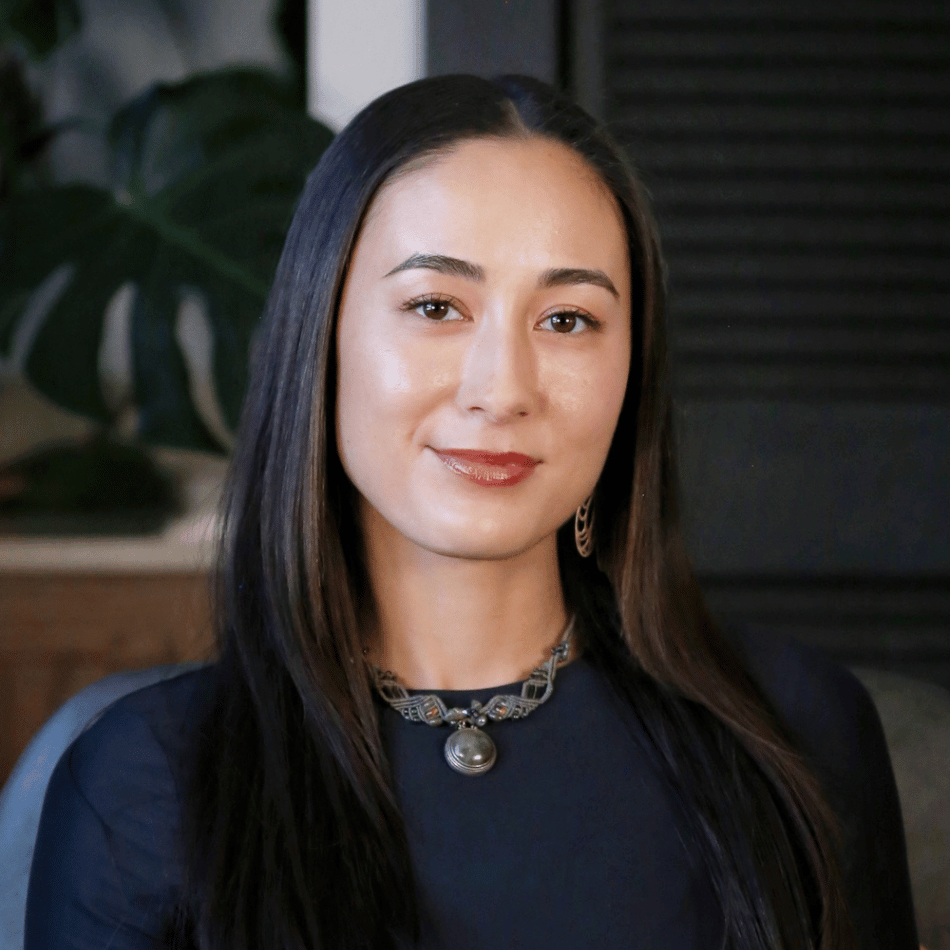
Marina Mendes
I hold a special place in my work for those who love someone with severe mental illness, and I deeply understand how complex trauma can show up as chronic grief, hypervigilance, or the particular loneliness of feeling unseen inside your own family. I bring an IFS-rooted, somatic, and nature-informed approach to CPTSD, holding space for the parts of you that learned long ago to brace, mask, and quietly disappear. Our work together is designed to help you reconnect to your wholeness and intuition.
Credentials: Associate Professional Clinical Counselor #15511, Certified Nature Therapy Guide, Certified Somatic Coach, Registered Yoga Teacher, Level 1 IFS Trained
Specialty Areas: Complex trauma, chronic grief, those with loved ones struggling with mental illness, life transitions, perfectionism, people-pleasing, identity exploration, intensives
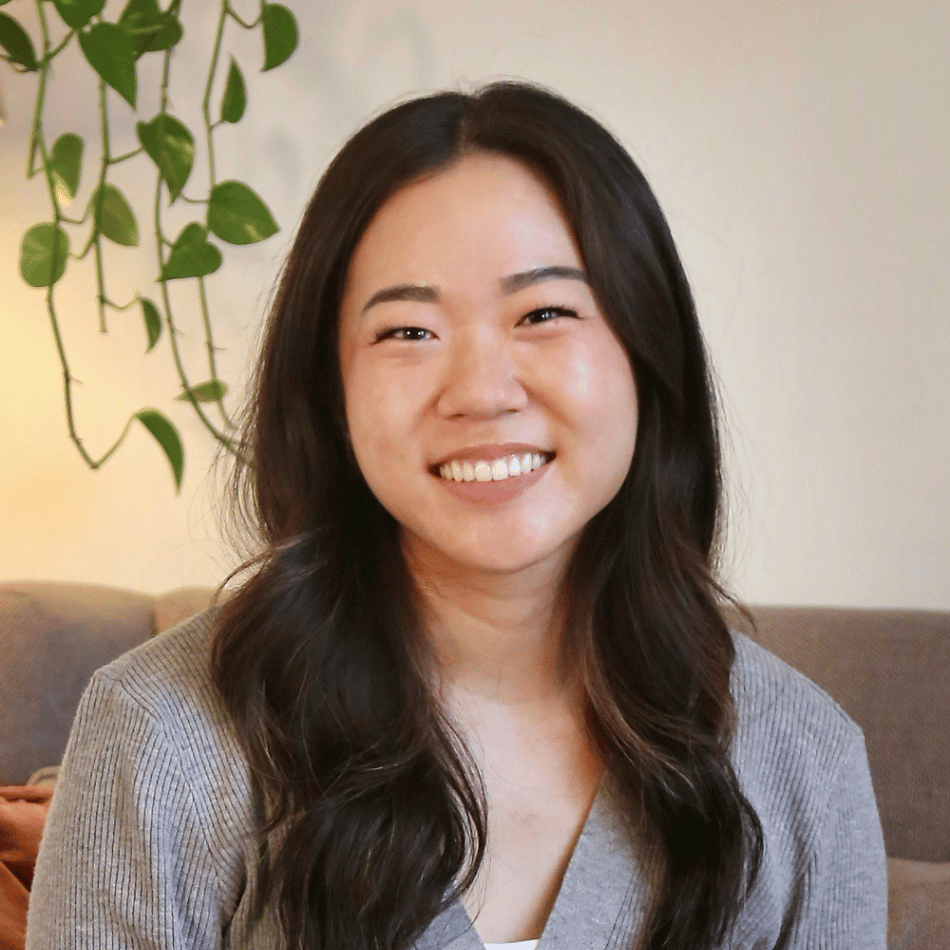
Rachel Kwon
I'm a second-generation Korean American and native Angeleno shaped by what it's like to grow up around unaddressed trauma and severe mental illness within family: scapegoated in some seasons, parentified in others, and highly masked across most of them. My work with complex trauma weaves Internal Family Systems, Brainspotting, and CBT to support healing from the inside out. I work especially well with BIPOC young adults, neurodivergent and highly sensitive teens and adults who are courageously breaking generational cycles.
Credentials: Licensed Marriage and Family Therapist #149091, Level 1 IFS Trained
Specialty Areas: Complex trauma, highly sensitive people, neurodivergence, adult children of immigrants, teens, parent-teen communication, BIPOC individuals, those with family systems impacted by mental illness
What sets our practice apart from other Los Angeles complex PTSD therapy practices
IFS lens. Every therapist on our team is trained in or deeply informed by Internal Family Systems: a trauma-informed, experiential modality especially suited to the layered, long-arc work that CPTSD often requires.
Trauma-specific practice. Multiple clinicians hold additional training in trauma-specific modalities, including Brainspotting (an EMDR-adjacent modality), the Neuroaffective Relational Model (NARM), trauma-informed strength training, and somatic and nature-based practices.
Diverse team with lived experience. Many of our clinicians identify as BIPOC, neurodivergent, highly sensitive people, and multicultural, and we see identity, culture, and lived experience as central to the work.
In-person & virtual. We offer both in-person sessions at our Highland Park office alongside virtual sessions for anyone residing in California, so you can get support in the way that feels best.
Flexible scheduling. Select clinicians have weekend availability to accommodate busy schedules.
FAQs about therapy for CPTSD
-
PTSD typically follows a distinct traumatic event or events, whereas complex PTSD develops from prolonged, repeated trauma: often in childhood, and often within relationships you couldn't leave. The symptoms tend to be more diffuse: harsh inner criticism, difficulty trusting, dissociation, chronic shame, and ways of relating that once protected you and now cost you genuine connection.
-
Honestly, that's a question we'd rather sit with alongside you than answer in the abstract. CPTSD is often misread as anxiety, depression, or "just being sensitive," and many of our clients arrive carrying several overlapping experiences at once. This is something we can help you untangle together—you don’t need a clear picture or a formal diagnosis of any kind to start working with us.
-
We work from a non-pathological, IFS-informed lens that takes the long view of healing—we don't rush you toward symptom relief at the expense of the deeper layers. Additionally, several of our clinicians hold lived experience with complex trauma themselves, which shapes how we hold this work: with patience, humility, and steady presence.
-
Yes. We offer in-person sessions at our Highland Park office at 5619 North Figueroa Street and virtual sessions for clients anywhere in California. Many CPTSD clients find that the embodied presence of in-person work supports the somatic and relational dimensions of healing, particularly in the earlier and more vulnerable phases. Others enjoy being able to process difficult experiences from the comfort of their own safe space.
-
Yes, therapy is often covered by insurance. Therapy on Fig is an out-of-network practice for most of our clients, with a limited number of in-network spots through Cigna and Aetna. However, many folks can submit superbills (detailed invoices that we can provide) to their insurance plan for partial reimbursement. Our Mentaya benefits checker can give you a clearer sense of what your specific plan covers.