Finding belonging beyond the rules we were taught

One of the privileges of this work is that I’m constantly learning, and some of the most meaningful insights come directly from my clients. A theme that consistently emerges is that cultivating community and relationships requires creativity. As Edward Hallowell writes in ADHD 2.0, the most important “vitamin” we need as humans is connection, what he calls “Vitamin C.”
We are wired to belong, and yet many of us are navigating a profound loneliness epidemic shaped by urban life and broader systemic pressures. In Los Angeles, where our practice is based, people often arrive in the midst of major life transitions, far from familiar supports and searching for where and how they belong.
This journey frequently involves loosening rigid, inherited ideas about relationships and moving toward psychological flexibility: the ability to adapt to challenges while staying grounded in one’s values. With that in mind, this blog explores common myths we’ve been taught about relationships and offers more flexible, life-giving ways to understand them.
Myth #1: Relationships should just happen naturally.
Whether we were influenced by Korean dramas or Disney movies, many of us grew up with the idea that we would meet our significant others or best friends in a natural, effortless way. However, with the decline of third spaces and traditional small-town living, creating and sustaining relationships is a skill that requires intentionality, not just proximity. That might look like “putting yourself out there,” attending a local Meetup gathering, using dating or friend apps, or initiating plans more often than you’re comfortable with. Communities like queer and foster care spaces have long modeled what it means to build “chosen family,” or relationships rooted in mutual care and belonging, rather than default proximity or biological ties. A popular psychology framework describes three pillars of friendship: proximity, timing, and energy. Connection isn’t something that just happens to us; it’s something we practice and cultivate.
Myth #2: You need a tight-knit group that does everything together.
Who hasn’t watched Friends growing up and yearned for that friendship dynamic?
In reality, friendship can look like two people enjoying intentional time together. Some of your closest friends may be long-distance, even in another time zone. Relationships can also be temporary or seasonal.
Connection can be purpose-based as well. For example, Wan.Collective hosts regular intergenerational Mahjong sessions at Langley Senior Center, where people of different ages and ethnicities come together to share a hobby. Grace and Marina at our practice also host purpose-based gatherings where people can connect, such as technology-free gatherings or nature and mindfulness groups. Trending hobby groups like Dungeons & Dragons can create meaningful bonds without requiring sameness in age, background, or lifestyle.
Connection can even look like quietly body-doubling at a coffee shop, working alongside strangers who are also getting things done. Even brief interactions, such as saying hello to a familiar face at the grocery store, can nourish our need for connection.
Myth #3: One person should meet all of your needs.
Many of us were raised with the romanticized notion that one of our greatest life goals should be being in a heteronormative, monogamous, long-term relationship. However, where do these messages originate? In her book Polysecure, psychotherapist Jessica Fern offers insight into building healthy, secure bonds within consensual non-monogamous relationships. Research also supports the idea of a “diverse relationship portfolio,” where different people meet different needs in our lives. Connection might come from friends, community groups, mentors, or shared spiritual communities. What if connection can also exist outside of human relationships, such as with animals, nature, or a higher power? Physical touch might also take many forms, such as receiving a massage, dancing with others, or petting an animal.
Myth #4: You’ll find connection by being more “normal”.
A common way I collaborate with clients on coping skills is by asking: Do the spaces you’re in affirm your identities? Do you feel like you can breathe a bit freer in some communities compared to others?
For many neurodivergent individuals, online communities, such as those formed on Discord or in gaming spaces, have become powerful places of belonging. The rise of communities like How to ADHD reflects a shift toward embracing difference rather than masking it. We’re also seeing the emergence of more sensory-friendly and identity-affirming spaces globally, designed to reduce overwhelm and increase accessibility.

You might also reflect on whether your living situation and surrounding environment affirm your identities, and whether your neighborhood or city feels conducive to community building. And consider whether more intentional living arrangements, such as co-living or pod-style housing within an affirming community, might feel supportive.
Sometimes, building community isn’t about changing yourself, but finding or creating environments where you can be yourself.
As you reflect on the feelings that come up as you reimagine relationships and community, what arises for you? Do you feel uneasy, jaded, or inspired? Take a moment to notice where those emotions and thoughts might be coming from. Alongside building new connections, there may also be grief in letting go of communities that no longer fit.
Over time, community is often built through repetition: showing up in small, consistent ways. Go at your own pace and start where you are.
Start working with a neurodivergent IFS therapist in Highland Park and Los Angeles
Over time, community is often built through repetition: showing up in small, consistent ways. Go at your own pace and start where you are. Reach out and schedule a brief initial consultation to see if this approach works for you!
Other Services Offered at Therapy on Fig
At Therapy on Fig, we provide therapy services tailored to the unique needs of couples, adults, and teens. We offer Neurodivergent Affirming Therapy, IFS Therapy, Therapy for Empaths, Trauma Therapy, Couples Therapy, Teen Therapy, ADHD Therapy, Group Therapy, Therapy for Entrepreneurs, Anxiety Therapy, Therapy for Autistic People, Depression Therapy, Premarital Counseling, and LGBTQ Affirming Therapy. Whether you're seeking support for a specific issue or looking to strengthen your relationship overall, our therapists are here to help. Reach out today to learn more about our services!
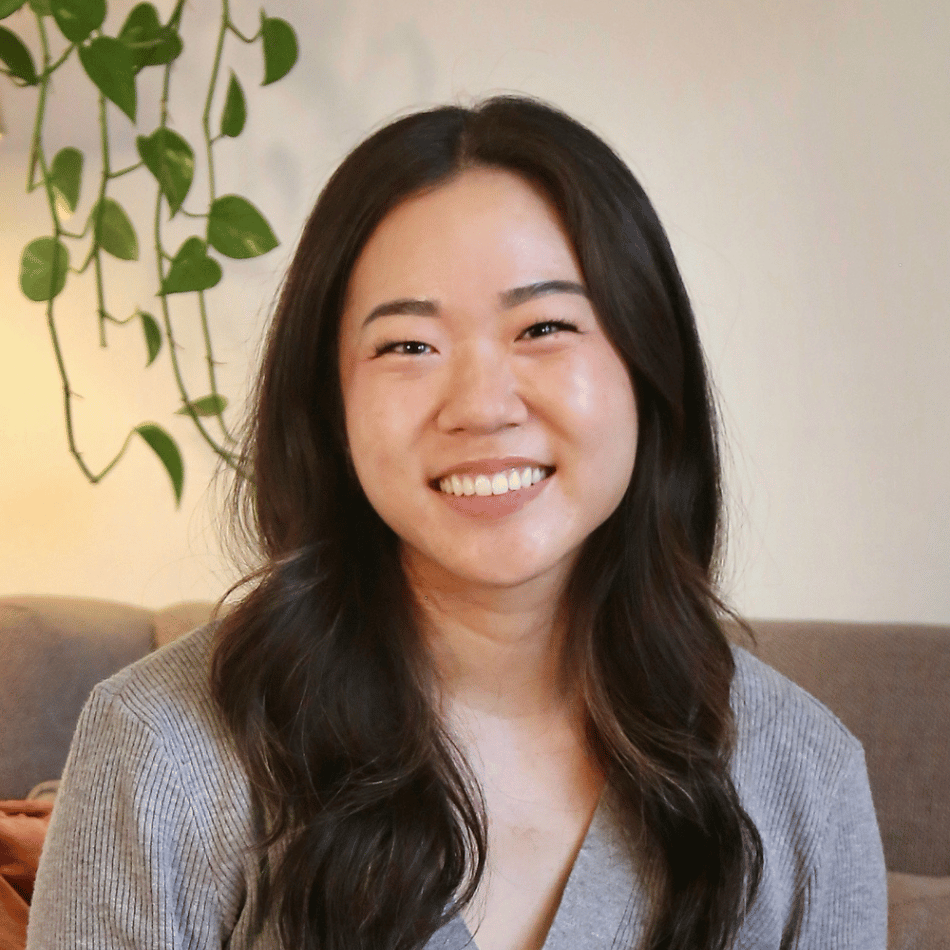
Rachel Kwon is a Licensed Marriage and Family Therapist (LMFT #144798). She integrates Internal Family Systems (IFS), Brainspotting, and CBT techniques to help her clients access healing from the inside out. Her work makes space for her clients' pain, resilience, and the unspoken wounds and generational gifts they carry forward. Reach out to learn more about our experienced therapists.