Across Lines of Difference: Cultivating Safety and Curiosity in Relationship

Many couples come into therapy expressing to me that they feel caught in familiar cycles of conflict. The content of these arguments may change, but the emotional experience often does not. Each partner leaves feeling dismissed or unseen, or with the quiet belief that their feelings or perspective hold less importance or value in the relationship.
I have heard it said that our ability to be in relationships corresponds closely with our capacity to tolerate difference. When we feel misunderstood in our partnerships, witnessing and navigating that difference can be remarkably difficult.
Our early relationships largely lay the blueprint for how we experience and respond to our romantic connections. We might come from family systems or contexts in which feelings were minimized, disregarded, or denied, environments where harmony was valued over honesty, or systems where closeness or access to connection was unpredictable or absent. When these histories are activated in relationship to a partner or partners, our nervous systems react in familiar and strong ways, often calling us towards greater self-protection, safety, and containment.
Our defenses, or protectors as we call them in IFS, step in. These protector parts organize themselves around safety and survival strategies learned as young people. One person’s protectors may argue, explain, or fix while another’s withdraw. Over time, couples can feel stuck in these protector-to-protector communication patterns.
In therapy, I work to support clients in creating safety and renewed curiosity in their relationships. Over time, they can move away from the idea that one partner is right and the other wrong and towards a sense that they are equal partners with valid and meaningful feelings, even when those feelings differ. Protector parts no longer have to work quite so hard, and the process shifts from defending individual interests and needs and towards tending to the relationship as a shared resource.
In navigating conflict, I often hear couples get caught in “why” questions. Why did you do that? Why do you feel that way? Why does this keep happening? There is an understandable desire for causality or a clear explanation that will resolve the tension and distress in the relationship. Yet, the “whys” often pull couples out of their emotional experience and curiosity and into analysis, litigation, and defensiveness. Consider the difference between the questions why do you feel that way? And how do you feel? Or what does that feel like? A small shift in how you communicate with your partner (s) can have a meaningful impact on fostering a deeper sense of safety, openness, and a desire to understand.
As partners slowly begin to recognize these patterns, in themselves and in each other, their differences become something to explore rather than defend against. When partners trust that their inner worlds matter—that they will be met with curiosity rather than dismissal or rejection—protector parts can relax, and new ways of being together emerge.
In staying present and open to what is unfamiliar, uncomfortable, or unresolved, you build safety and capacity to navigate conflict in your relationship. As couples move away from explaining or proving why they feel the way they do and toward sharing how and in what ways they experience and relate to those feelings, there can be a renewed sense of trust, connection, and care.

Start working with an IFS couples therapist in Highland Park and Los Angeles
Frequently, acknowledging the important role perfection plays in protecting our more vulnerable parts can be a step toward softening perfectionistic intensity and creating more space for something different. Reach out and schedule a brief initial consultation to see if this approach works for you!
Other Services Offered at Therapy on Fig
At Therapy on Fig, we provide therapy services tailored to the unique needs of couples, adults, and teens. We offer Neurodivergent Affirming Therapy, IFS Therapy, Therapy for Empaths, Trauma Therapy, Couples Therapy, Teen Therapy, ADHD Therapy, Group Therapy, Therapy for Entrepreneurs, Anxiety Therapy, Therapy for Autistic People, Depression Therapy, Premarital Counseling, and LGBTQ Affirming Therapy. Whether you're seeking support for a specific issue or looking to strengthen your relationship overall, our therapists are here to help. Reach out today to learn more about our services!
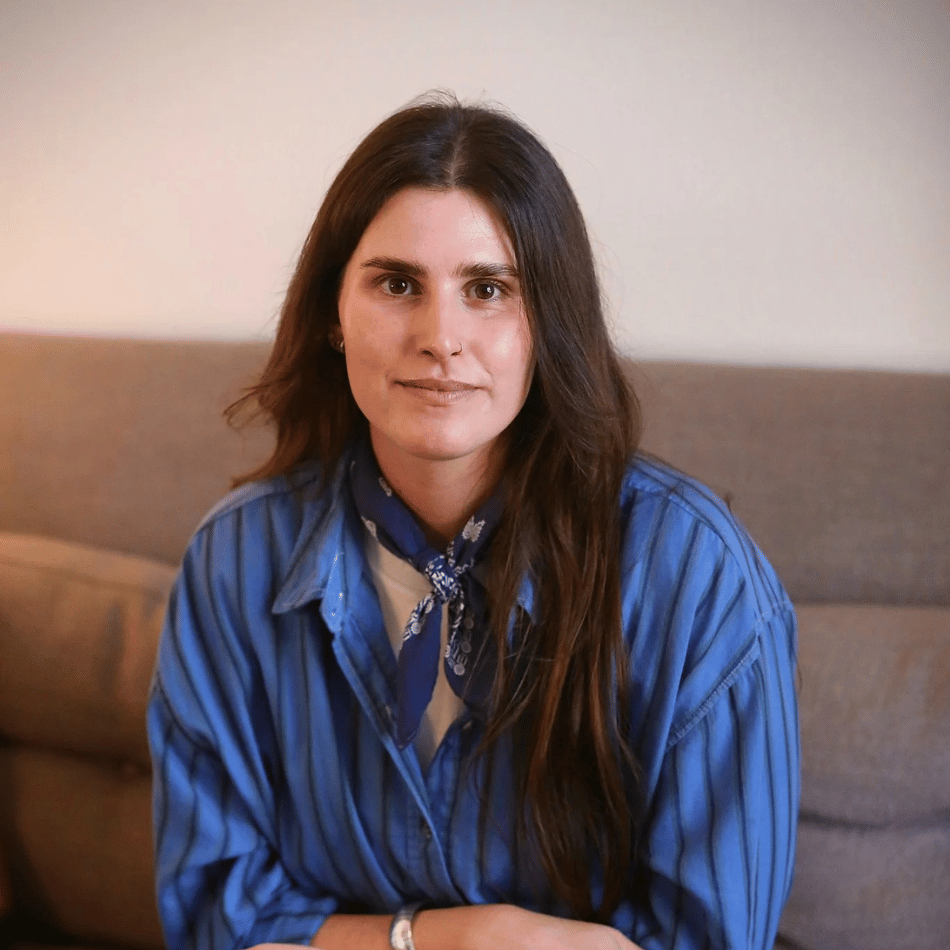
Emily Gaston is an Associate Marriage and Family Therapist #155211 and Registered Associate Professional Clinical Counselor #19502, supervised by Philip Chang, LCSW #92156. She practices from a relational, depth-oriented, and IFS-informed perspective that welcomes queer individual adults and teens and couples navigating relational and family-system trauma, moving through grief and loss.