The power of Gratitude

I’ve been committed to my mental health journey for over a decade, and without a doubt, the most consistent practice that has helped my emotional well-being and overall alignment to my inner nature is a steady gratitude practice.
I was reminded of this while flipping through old journals this summer; pages and pages of gratitude lists not only remind me that there is always good to be found, but also serve as reminders of what is truly important for my wellbeing. So often, these lists name the most simple things: sleep, clean water, my bedsheets, breath. Friends, family, music, a pretty flower.
It’s Science-Backed
In case you’re someone skeptical about the “woo-woo,” I have good news for you. There is a lot of research on this topic. Gratitude practices are one of the most widely studied activities when it comes to emotional well-being and have been shown to improve mental health, particularly when it comes to depression and anxiety. Connecting with the feeling of gratitude releases hormones that help you feel more happy, present, and content. The best part? Gratitude is free, and asks no more of you than a few minutes of your time.
Some research if it piques your interest:
Simple Ways to Access Gratitude
Daily Writing: If you’re just starting out or reconnecting with a gratitude practice, I recommend committing to 8 weeks of a daily writing ritual (about how long it takes to build a new habit).
The invitation is simple: What are three things you are grateful for? List them. They don’t have to be long or complicated. E.g., sleep, my home, [a friend’s name].
I recommend ritualizing this as part of your morning, but any time of day will do :)
Deeper Reflection: If you want to explore gratitude a bit farther, you might try one of these journal prompts:
What makes you smile?
What relationships have made your life better? How so?
What do you most appreciate about who you are?
As you reflect on yesterday, what went well and what goals did you accomplish?
Write a Thank You Letter: This can be to yourself, to a loved one, an experience, a place, or even an object. (E.g., Thank you, laptop, for allowing me to write this blog post for you to read). If expressing gratitude to another person, you might actually give them the letter or make a phone call to allow your gratitude to be received as well.
This isn’t about bypassing difficult emotions.

Connecting with gratitude doesn’t mean gaslighting yourself for heavier things you might be holding. It’s a practice of remembering to acknowledge the full picture. Yes, there is grief; there is beauty, too. Yes, there is pain; there is sweetness, too. It’s a practice of remembering the both-and.
Work with a Therapist Today 🌿
At Therapy on Fig, our therapists work intuitively to help you build your capacity to be with all parts of the human experience. Sometimes deep work within your system is what’s needed. Sometimes it’s a simple morning gratitude ritual. Either way, we’re walking right alongside you and sensing into what feels most supportive, every step of the way. Follow the steps below to book a session today:
Reach out to schedule a free consultation.
Speak with a non-pathologizing, IFS-trained therapist.
Remember how to hold the complexity of it all, with gratitude ♥︎
Other Services Offered at Therapy on Fig
At Therapy on Fig, we provide therapy services tailored to the unique needs of couples, adults, and teens. We offer Neurodivergent Affirming Therapy, IFS Therapy, Therapy for Empaths, Trauma Therapy, Couples Therapy, Teen Therapy, ADHD Therapy, Group Therapy, Therapy for Entrepreneurs, Anxiety Therapy, Therapy for Autistic People, Depression Therapy, Premarital Counseling, LGBTQ Affirming Therapy, and CPTSD Therapy. Whether you're seeking support for a specific issue or looking to strengthen your relationship overall, our therapists are here to help. Reach out today to learn more about our services!
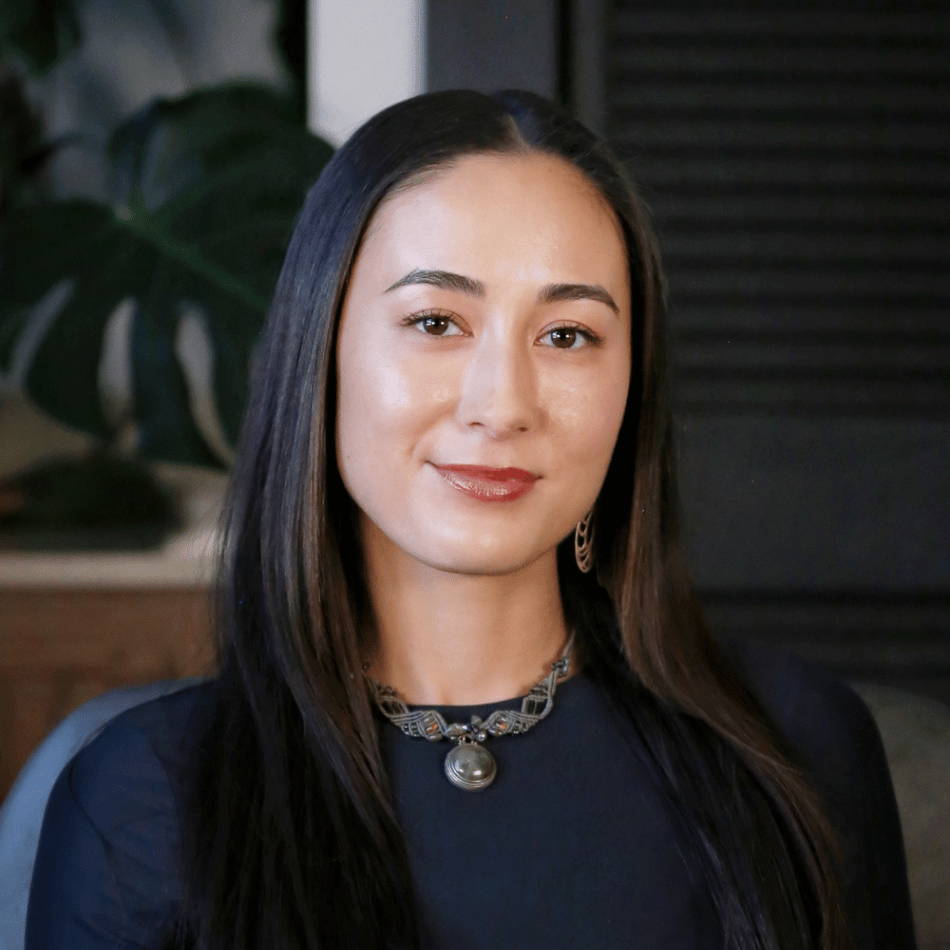
Marina Mendes is a Registered Associate Professional Clinical Counselor (#15511) supervised by Philip Chang (#92156). As a mixed-race Asian American queer woman, introvert, and Highly Sensitive Person, my healing work is shaped by a deep understanding of what it means to feel "othered." I support individuals who feel misunderstood, embrace multifaceted identities, and value multicultural awareness. Reach out to learn more about our experienced therapists.