Honoring Your Parts During Holidays with Immigrant Parents

When clients prepare to visit home for the holidays, I often feel like a coach before a boxing match, reminding them of the boundaries we worked on together while they brace themselves for the visit.
Many describe the same experience: “I feel myself reverting,” or “I’m that little kid or teenager again.” Time at home can make clients feel as though the progress they’ve made in therapy slips back a few steps.
For BIPOC children of aging immigrant parents, relationships with our parents often carry a particular weight. They may have been close and supportive, strained, or even abusive, yet for many of us, the suggestion to “just cut them off” feels deeply offensive. There is a complicated ache in loving parents who may never acknowledge the harm they caused, while still feeling an enduring loyalty to them. It’s navigating unmet needs while wanting to take them on trips they never could afford. It’s translating their letters begrudgingly as they offer you cut fruit. Scholars may call this “filial piety conflict” or an “intergenerational cultural gap,” but at its core is the quiet pain of parents and adult children reaching for connection and missing each other. As we navigate this complex dynamic during the holidays, listening to the parts of us that speak up in these moments can help us respond with more grace and intention. Here are some of the parts that often show up for BIPOC adult children of immigrant parents during the holidays, and the way we may witness and tend to them:
our managers:
Dutiful parts, you learned to take on the role of a “good child” by focusing on logistics such as arranging rides, following medication schedules, or cooking meals. You’re used to the role designated for you as a woman in this patriarchal culture, carrying more burdens and expectations compared to your brothers and father. I see your steadfastness and devotion to your family.
Mediator parts, you know how to read the room and become the calm in the middle of the storm. You translate, soften, and hold tension so others don’t have to. Your instinct to keep the peace is your deep desire for connection and safety.
Hypervigilant parts, you stay alert so harm doesn’t slip through unnoticed. You learned to fight, flee, freeze, fawn, and jump into prevent traumatizing moments. I see your watchfulness and how fiercely you protect at the expense of rest and presence.
People-pleasing parts, you focus on keeping everyone comfortable and content. You learned to overperform, placate, and smooth things over to avoid conflict, sometimes masking who you are until you’re back in a safer environment. I see how hard you work to preserve harmony and how much care lives inside that effort.
Guilty or resentful parts, you carry the weight of treating your parents well, especially as they grow more vulnerable with age. You hold gratitude for their sacrifices while also feeling frustrated by responsibilities you never chose. I see how you carry love and resentment at the same time, and how heavy that tension can be.
Self-suppressing parts, you learned to make sense of your parents’ behavior by minimizing your own needs. You tell yourself it’s safer not to speak up, because being dismissed or hurt feels too costly. Sometimes you keep a distance to protect yourself from disappointment. I see your restraint and the quiet ways you try to keep yourself safe.
our firefighters:

Angry parts, you rise up with rage or quiet sharpness to protect yourself before anyone else can hurt you. You show up when boundaries are crossed or when control feels threatened. Your anger is fast and a fierce attempt to keep you safe.
Dissociative or numb parts, you learned to step back during chaos to survive. You go quiet, drift, or disappear into the background, like a child who learned that being unnoticed felt safest. I see how zoning out and disengaging helped you endure moments that felt too overwhelming to stay present for.
our exiles:
Protesting parts, you long deeply to be seen and taken seriously. You raise your voice, push back, or erupt in frustration as a way of reaching your parents, grieving that they may never change or seek help. I see the young part of you still asking, Please listen. Please take me seriously.
Hopeful parts, you keep believing that maybe this time will be different. You hold onto the possibility that if you say it the right way, behave differently, or try once more, the relationship might finally shift. I see how your hope comes from love and a longing for repair.
Shameful parts, you carry the story that you are not enough. You feel worthy when your achievements bring honor, and you ache when comparisons or criticism land on your body or choices. I see how much you’ve tried to earn belonging, and how painful it is to feel measured and found lacking.
your holiday game plan
You can’t control your family or their parts, but you can tend to your own. As you move through this season, notice what gets activated and how your body responds. These reactions aren’t failures. They’re signals from parts that learned to protect you long ago. Meeting them with curiosity rather than criticism can help you stay anchored in Self-energy.
Set realistic boundaries and gentle goals for yourself, knowing that your parts may still try to step in. Use grounding skills, safe people, and small coping strategies to support yourself in the moment. And when the gathering ends, make after-care a priority. Create space to decompress, nurture yourself, and restore your basic pillars of mental health, so your system knows it can soften again.
start working with an asian american therapist in highland park and los angeles
My hope is that you’ll meet yourself with kindness and compassion this holiday season, honoring both how hard your parts have worked and the steadiness that exists beneath them. Even the smallest moments of awareness, choice, or rest are worth celebrating; they are signs that you are learning to care for yourself in new ways.
Reach out to schedule a free consultation.
Get matched and scheduled with an Asian American therapist on our team.
other services offered a therapy on fig
At Therapy on Fig, we provide therapy services tailored to the unique needs of teens, adults, and couples. We offer also offer Teen Therapy, Neurodivergent Affirming Therapy, Therapy for Empaths, Trauma Therapy, Grief and Loss Therapy, Couples Therapy, and more. We also address related issues such as anxiety, perfectionism, burnout, self-esteem, and relationship issues. Whether you're seeking support for a specific issue or looking to strengthen your relationship overall, our therapists are here to help. Reach out today to learn more about our services and to begin your path to healing, agency, and peace.
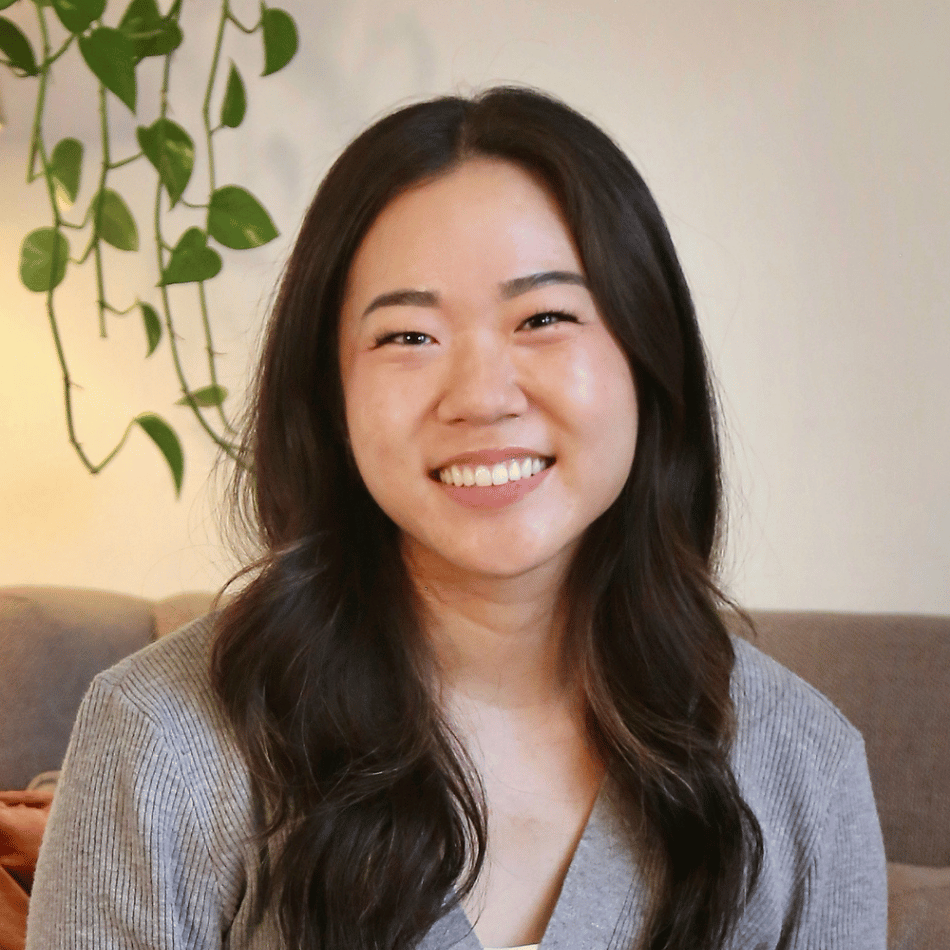
Rachel Kwon is a Licensed Marriage and Family Therapist (LMFT #144798). She integrates Internal Family Systems (IFS), Brainspotting, and CBT techniques to help her clients access healing from the inside out. Her work makes space for her clients' pain, resilience, and the unspoken wounds and generational gifts they carry forward. Reach out to learn more about our experienced therapists.