The Asian American Mother Daughter Wound

In fifth grade, my mom pulled over on the way to school, put the car in park, and turned to me with furrowed brows. "Rachel. Someone harass you at school??" Her loud, tiger-mom voice boomed out of her tiny, five-foot frame.
I didn't know what "wtf" meant yet, but my face did. "Um, no," I said. "Why would you think that?"
Maybe she'd read a story in the Korean newspaper about kids being harassed at school. Maybe another mom had mentioned it. Whatever the reason, she had learned somewhere that a good mom worries about whether her child is being treated well at school.
What I didn't understand then was that this was her way of connecting. That her out-of-the-blue concern was how she expressed care.
That moment captures a dynamic many of us Asian American women grew up with: our mothers reaching for us in ways that were clunky and mismatched across a cultural and generational divide. I think that's why the Korean drama When Life Gives You Tangerines hits so many of us so hard. It shows a Korean mother's protective, sacrificing love without her ever saying "I love you."
Making sense of your mother
Maybe you explore this relationship in therapy, trying to make meaning of it all. You want to understand why she runs so hot and cold, why connecting with her can feel so difficult. You might wonder: does she have CPTSD? ADHD? Hwabyung? Or is it han?
And still, you may feel a deep, abiding love and respect for her. You remember her resilience: the ways she shrank herself, folding herself like origami into a shape presentable to the outside world, saving face for the family; the way she prayed fervently for you through your rebellious stages; the fruit she cut for you.
Although you may never fully make sense of your mother, you can listen to and tend to the different parts of yourself.
Three common pain points I hear from Asian American women in relation to their mothers:
Carrying her emotions:
One of the only emotions she openly displayed was anger. Because your father was often a passive good cop, she had to take on the role of the disciplinarian. She was submissive to her husband, parents, and in-laws, so you became both her confidant and the outlet for her frustration.
However, more implicit but painful, you hold the deep sadness under the anger that she can never feel herself. You empathize with the dissatisfaction she may feel in her marriage in a foreign country, perhaps after fleeing war, which she masks by shaming or criticizing you. You recognize the suppressed loneliness she must feel from being "difficult" and unconsciously pushing people away.
Disconnection:
You start to mourn your expectations of having a mother who will emotionally understand you. You realize that you can spell out your wants until you are blue in the face, but she will dismiss you or never understand. This disconnect can be more pronounced during important life events, such as marriage, having your first child, or experiencing loss in the family.
There is a pang of jealousy you feel when you witness your more Americanized friends receive emotional support from their mothers, such as talking about boys or receiving hugs or phone calls when going through a hard time. But at the same time, that would be weird and awkward, and you wouldn't want it, because it wouldn't be your mom.
Guilt:
There is a constant war within you between your American, individualistic parts and your Asian, filial piety parts. You hear, "How dare you choose yourself after all that she sacrificed for you?" The guilt especially flares up as you start to set boundaries and she responds with angry or shaming protest behavior. Or guilt might take the form of a low-grade whisper as you achieve milestones or have opportunities she never had. You might even feel guilty talking about your mom in session, as if acknowledging the hurt negates the sacrifices she made for you. Love within the Asian American mother-daughter relationship is often intertwined with guilt, familial obligation, and deep, abiding loyalty.
Love Changes Form

These wounds may never fully close, but they can change shape. In Internal Family Systems therapy, we think of the mind as made up of parts, like the one that feels guilty and the one that wants independence, which often line up with the Asian and American sides of ourselves. Often, I find that the primary work of moving forward in the relationship between Asian American daughters and their mothers is helping ourselves unblend from these polarized American and Asian parts, then mediating between them with Self-energy, the calm, curious, compassionate core we all have. We listen to each part's concerns one at a time, which lessens the cacophony and makes decisions easier. I trust your inner compasses as I ask, "What's your gut telling you?"
Decisions that make peace with both parts may be creative, such as sharing cultural family rituals and food. It may look like recreating a recipe you found on Maangchi or Umma and proudly sending your mom a picture of your creation on KakaoTalk. It might be catching yourselves laughing together as a family as you watch your baby do a cute mannerism. Our family has recently tried the Korean and English edition of Parents Are Human, a card deck of conversation prompts designed to bridge the cultural gap.
Although our interactions may always feel a little clunky, they remind us that we're always reaching for one another.
Start working with an Asian American IFS therapist
You may never fully understand your mother, and your relationship may always carry some tenderness, grief, guilt, and love all at once. Therapy can offer a space to make room for these different parts of you, understand what they are trying to protect, and find a way of relating to your mother that feels more grounded in your own values.
If this resonates, reach out to schedule a free consultation with one of our Asian American therapists.
Other services offered at Therapy on Fig
At Therapy on Fig, we provide therapy services tailored to the unique needs of couples, adults, and teens. We offer Neurodivergent Affirming Therapy, IFS Therapy, Therapy for Empaths, Trauma Therapy, Couples Therapy, Teen Therapy, ADHD Therapy, Group Therapy, Therapy for Entrepreneurs, Anxiety Therapy, Therapy for Autistic People, Depression Therapy, Premarital Counseling, LGBTQ Affirming Therapy, and CPTSD Therapy. Whether you're seeking support for a specific issue or looking to strengthen your relationship overall, our therapists are here to help. Reach out today to learn more about our services!
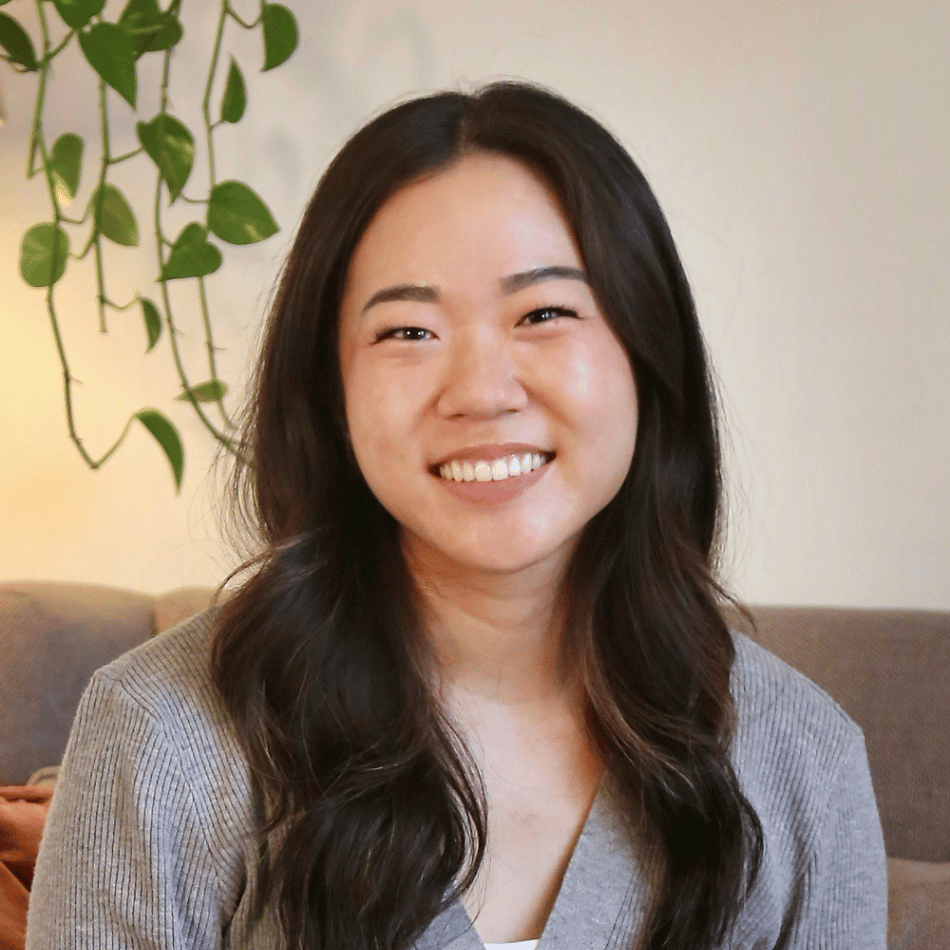
Rachel Kwon is a Licensed Marriage and Family Therapist (LMFT #144798). She integrates Internal Family Systems (IFS), Brainspotting, and CBT techniques to help her clients access healing from the inside out. Her work makes space for her clients' pain, resilience, and the unspoken wounds and generational gifts they carry forward. Reach out to learn more about our experienced therapists.