
When Self-Compassion Feels Impossible: How Parts Work Can Help

Moving from self-Criticism to self-compassion
Many of the clients I see come to therapy feeling overwhelmed by their lives and struggling with a sense that they are not enough. Clients often feel stuck and frustrated by not being able to experience what they want. This is where self-criticism, negative self-talk, and self-hatred can occur. A major part of therapy and healing involves accessing self-compassion. Dr. Kristin Neff has dedicated her whole career to researching and teaching the transformative importance of self-compassion to healing. Buddhist and mindfulness perspectives anchor compassion as a fundamental pillar for experiencing life with more peace. Pete Walker also discusses this as the necessity to “shrink the inner critic” to make healing more accessible.
When self-compassion feels out of reach
However, for many, this concept only looks good on paper. Self-compassion can sound ideal in theory, but applying compassion to oneself can often feel impossible and foreign. This is particularly the case when someone has experienced trauma and navigates their world in survival mode. Those who have to navigate complex relational and developmental wounds often struggle with hypervigilance, internalized negative core beliefs, and fragmentation of one’s identity. Moreover, many struggle with the challenges of living with mental health diagnoses and neurodivergence that can make life feel more overwhelming. These experiences can make self-compassion feel like something available to others, but not to ourselves. Many of my clients feel this. So when low self-esteem becomes a huge obstacle to experiencing more internal peace, what can we do? How can one access more self-compassion when it feels hopeless?
How parts work can help
There is no one way to heal in therapy, as everyone has unique perspectives and experiences. One possibility that many of my clients have not tried before working with me is parts work, an approach to exploring one's internal experience.
Ways of understanding the self through different parts or aspects have appeared across various cultural and therapeutic traditions. Modern therapies such as Internal Family Systems (IFS) and Trauma-Informed Stabilization Treatment (TIST) use a parts framework to help clients understand themselves more deeply and hold space for the complexities of their internal world. Because humans use stories and narratives to make sense of their experiences, parts work can help clients make meaning and organize what is happening within.

Viewing ourselves as having various parts can make it easier to hold multiple truths simultaneously, even when they seem to contradict one another. By operating from a parts framework, clients can explore what is occurring within them with greater curiosity and less blame. For example, you might notice a part of yourself that is constantly critical, pushing you to do better or work harder. Rather than trying to silence that part, we might become curious about what it fears would happen if it stopped pushing so hard. This shift toward understanding can create room for compassion, even toward the parts of ourselves we struggle with most.
A different way to relate to ourselves
Parts work can offer a different approach to how we relate to ourselves, and a more manageable starting point for practicing self-compassion. When we spend time in session learning about the various parts within our system, opportunities arise to practice compassion for each part. By exploring their unique perspectives and understanding how they have tried to help, we can begin to shift their relationships with these parts toward greater understanding and appreciation.
In addition to gaining awareness of their internal system, we can experience deeper healing as we build relationships with these parts. As we become more in touch with ourselves beyond their parts, we can begin to hold empathy for how each part has tried to adapt and survive in the best ways it knew how.
Start working with an IFS therapist in Los Angeles
Rather than forcing self-compassion, we can begin to cultivate it through understanding and connection with ourselves. This can be a meaningful starting point for healing. Reach out to schedule a free consultation.
Other services offered at Therapy on Fig
At Therapy on Fig, we provide therapy services tailored to the unique needs of couples, adults, and teens. We offer Neurodivergent Affirming Therapy, IFS Therapy, Therapy for Empaths, Trauma Therapy, Couples Therapy, Non-Monogamous Relationship Therapy, Teen Therapy, ADHD Therapy, Group Therapy, Therapy for Entrepreneurs, Anxiety Therapy, Therapy for Autistic People, Depression Therapy, Premarital Counseling, LGBTQ Affirming Therapy, and CPTSD Therapy. Whether you're seeking support for a specific issue or looking to strengthen your relationship overall, our therapists are here to help. Reach out today to learn more about our services!
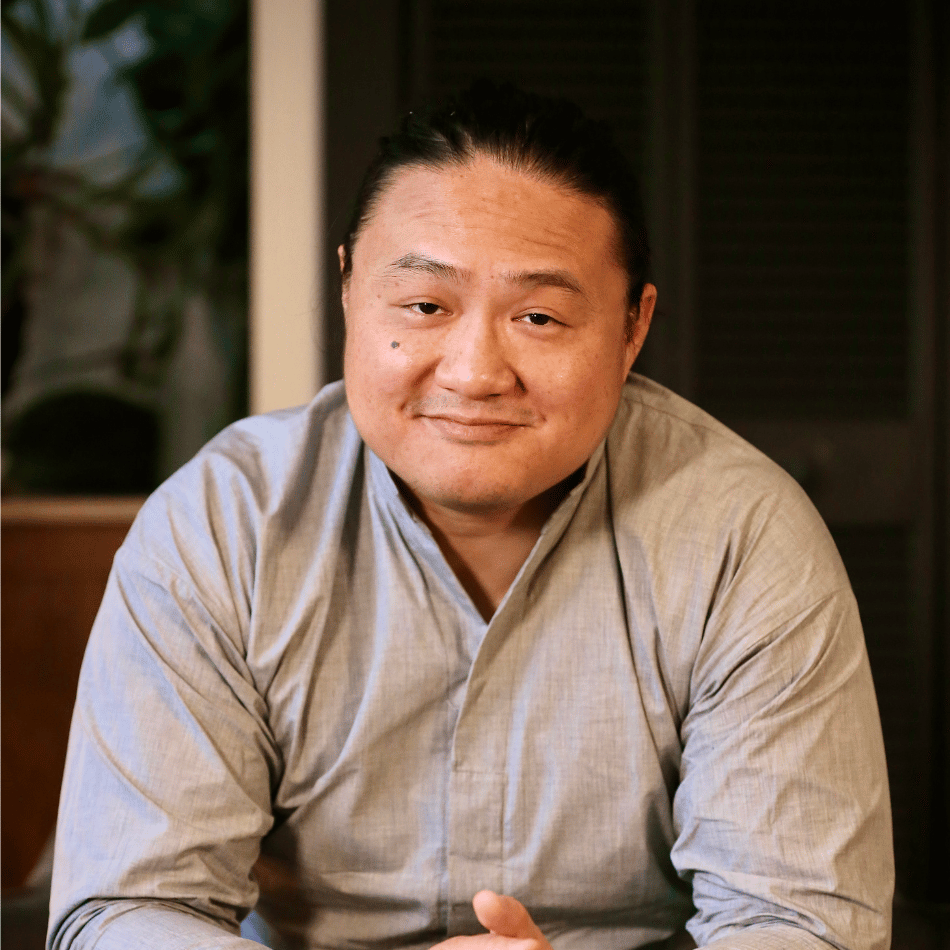
Michael Hung is an Associate Marriage and Family Therapist #154058, supervised by Phillip Chang, LCSW #92156. He is trained in Internal Family Systems (Level 1) and in modalities rooted in a somatically based, trauma-informed approach, such as the Neuroaffective Relational Model (Level 2), Intimacy from the Inside Out (IFIO), and the Gottman Method.