
3 Los Angeles OCD Therapists [No Waitlist]
There's a version of OCD that looks nothing like the stereotype—no visible rituals, no organizing by color. Instead, it lives quietly in the loop of a thought you can't release, the compulsion to seek reassurance one more time, or the exhausting negotiation your mind runs on repeat: What if? But what if? Did I do something wrong?
If this sounds familiar, exhale. You’ve found a space that recognizes the burden you’ve been carrying.
My name is Sharon Yu. I'm a Licensed Marriage and Family Therapist with nearly two decades of experience and the founder of Therapy on Fig, a group practice rooted in IFS and relational, depth-oriented work. OCD is not my personal specialty, but over the years, I've had the privilege of building a team of clinicians whose work I know intimately, and of developing relationships with other trusted practitioners across Los Angeles.
I wrote this piece for the person who doesn't have an obvious starting point. Not everyone has a therapist they can call, a friend who's been through it, or a doctor willing to give more than a generic referral. Finding the right OCD therapist on your own—especially in a city as sprawling and overwhelming as LA—is its own kind of exhausting task, especially when you're already depleted.
A personal referral from someone who actually knows the clinicians involved is, in my experience, the best way to find good care. Think of this as that referral. Below, you'll find two therapists from my own team whose approach to OCD I know and trust, alongside one outside resource I'm genuinely glad to point people toward.
Meet Our Los Angeles OCD Specialists
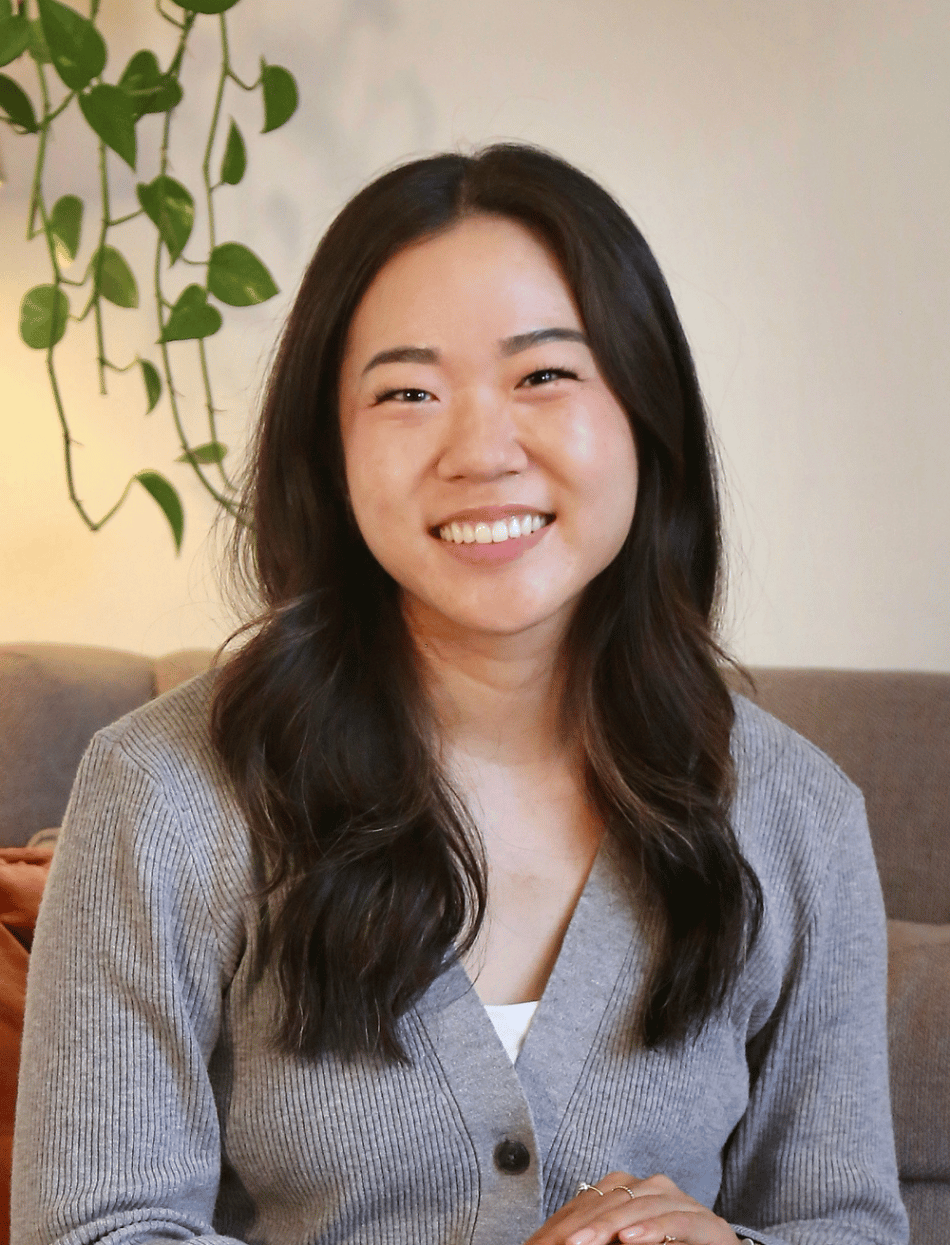
Rachel Kwon, LMFT
Rachel is one of the few licensed OCD therapists in Los Angeles who brings both Brainspotting and IFS into her work—a combination that sets her apart in a field where most OCD treatment stays firmly on the surface of behavior.
Where many approaches ask what are you doing when OCD takes over, Rachel's work goes deeper: what happened to the part of you that learned it had to? For clients who have tried ERP or CBT and found relief that didn't quite hold, this is often the missing layer.
Rachel is particularly skilled in working with highly sensitive and neurodivergent individuals, BIPOC clients, and teens navigating OCD alongside complex family dynamics or intergenerational trauma—populations whose OCD presentation is frequently misread or undertreated by clinicians without that specific cultural attunement.
Credentials: Licensed Marriage and Family Therapist #149091
Training: IFS, Brainspotting, Trauma-Focused Cognitive Behavioral Therapy, Neurofeedback, Seeking Safety, MAP
Focus areas: OCD, neurodivergence, Highly Sensitive People (HSP), teens & young adults, BIPOC populations,

Gabriella Giorgio, AMFT
What makes Gabriella an exceptional OCD therapist isn't only her training; it's the particular quality of self-knowledge she brings into the room. As a late-discovered autistic person who spent years masking, she understands from the inside what it's like to have a nervous system that the world doesn't quite account for, and how shame, self-criticism, and compulsive self-monitoring can become so habitual they stop feeling like symptoms at all.
For clients whose OCD is tangled up with a relentless inner critic, attachment wounds, or a chronic sense of not-quite-belonging in their own skin, Gabriella's work offers something that purely behavioral approaches rarely do: a genuine understanding of why those patterns took root, and a warm, unhurried space to begin unraveling them.
She is especially skilled with highly masked autistic women and neurodiverse couples where OCD has quietly shaped the relational dynamic in ways neither partner has been able to name.
Credentials: Associate Marriage & Family Therapist #140682,
Training: Gottman Method Couples Therapy, IFS Level I Trained, Trauma-Focused Cognitive Behavioral Therapy
Focus areas: OCD, neurodivergence, couples, highly masked autistic women, Highly Sensitive People (HSP), motherhood, anxiety, people-pleasing
Our other trusted local OCD resource
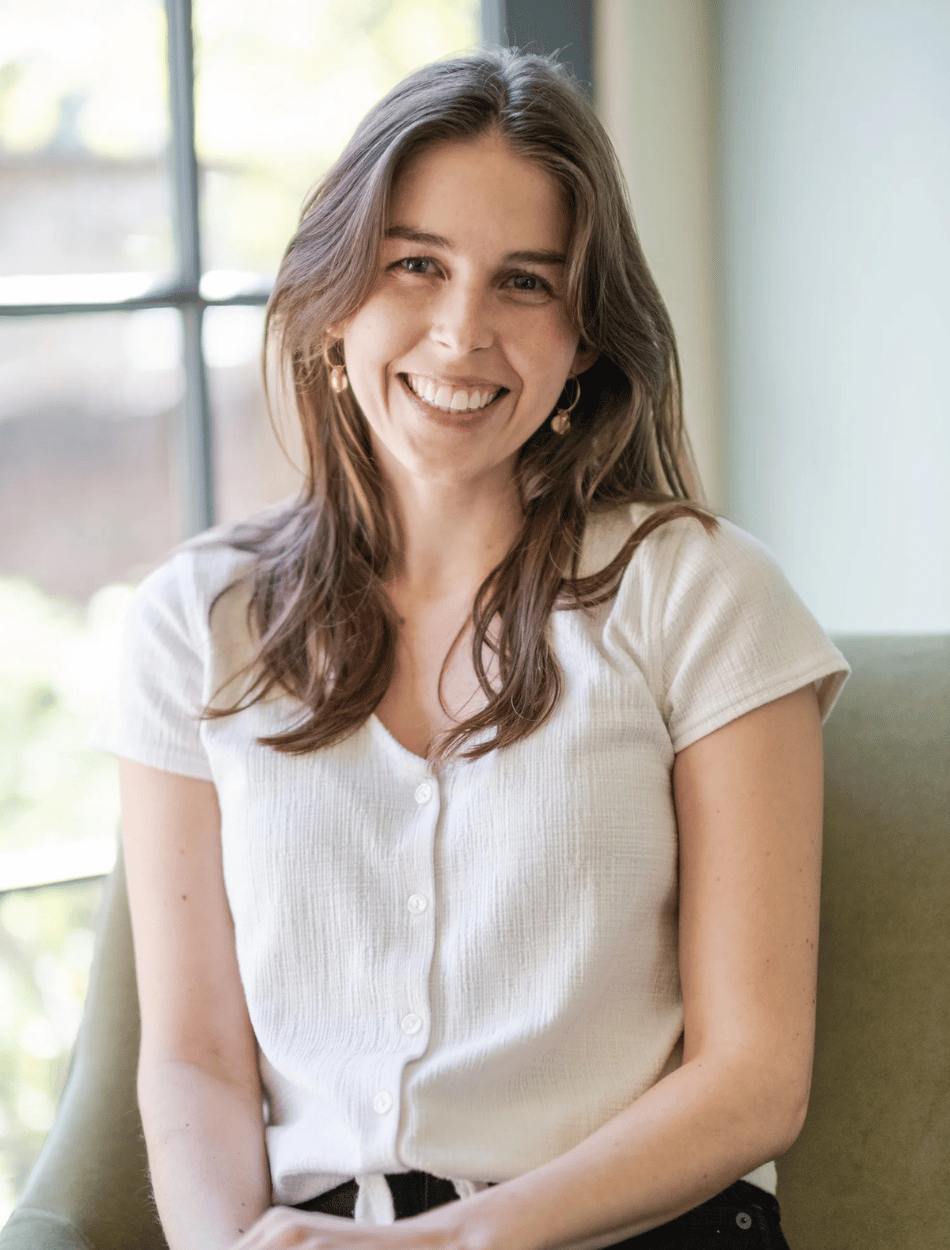
Lauren Lui, LMFT
Lauren Lui is a Sacramento-based Licensed Marriage and Family Therapist who sees clients virtually throughout California, and someone I’ve personally referred therapy-seekers to. Before starting her own practice, she was part of the Therapy on Fig team, so I have an intimate understanding of her approach and deeply trust her as a therapist.
What sets Lauren apart is a clinical profile that is genuinely rare: she is both an EMDRIA-certified EMDR therapist and trained in Exposure and Response Prevention (ERP) specifically for OCD—a combination that allows her to address the behavioral patterns of OCD and the underlying trauma often driving them.
For clients whose OCD is rooted in perfectionism, people-pleasing, or a deep-seated fear of getting things wrong, her work bridges those two layers in a way that neither approach alone typically does.
Clients describe her as warm, engaged, and gifted at helping them connect the dots between past experiences and present patterns—which is exactly what I look for when I think about who I'd feel good sending someone to.
Credentials: Licensed Marriage and Family Therapist LMFT #139188, EMDRIA-Certified EMDR Therapist
Training: EMDR, ERP, Ego State Therapy, Structural Dissociation, IFS
Focus areas: OCD, anxiety, emotional overwhelm, people-pleasing, boundaries, perfectionism, self-doubt
FAQs About OCD Treatment
-
OCD, or Obsessive-Compulsive Disorder, consists of intrusive, unwanted thoughts (obsessions) and repetitive behaviors or mental rituals (compulsions) used to reduce the distress those thoughts create. It exists on a broad spectrum and often goes unrecognized, particularly in people who experience primarily mental, rather than visible, compulsions.
-
Anxiety and OCD can look and feel similar, and they often co-exist. A key distinction is the obsessive-compulsive cycle: a specific thought triggers distress, which drives a compulsion to neutralize it, which provides temporary relief, which reinforces the cycle.
A trained clinician can help you understand your particular patterns with more clarity and nuance than a symptom checklist can. At our practice, we work with both anxiety and OCD, so we can help you make sense of your experiences and find the path forward that makes the most sense for your nervous system.
-
Exposure and Response Prevention (ERP) tends to be the gold-standard treatment for OCD, and it can be effective for many people. However, other people find the approach too rigid and behaviorally-focused. At Therapy on Fig, our approach is rooted in IFS and depth-oriented work, which is particularly valuable for clients who are intellectually curious about the why beneath their patterns—not just the behavioral management of them. With that said, if you’re specifically interested in ERP, we’re happy to refer you to Lauren.
-
Therapy helps by interrupting the obsessive-compulsive cycle while also building insight into the internal experiences driving it. Over time, clients develop a different relationship with intrusive thoughts, one rooted in less fear and more self-trust, and the compulsive responses naturally lose their grip. The goal isn't the absence of difficult thoughts; it's shifting what those thoughts mean to you.
-
Yes, though each person’s needs are different. Many people experience meaningful, lasting relief through therapy alone. Medication can be a valuable support for some, and the two approaches are not mutually exclusive. We encourage clients to make that decision in consultation with a psychiatrist who understands OCD well, and we're happy to refer when appropriate.
-
Yes, OCD therapy is typically covered by insurance. At Therapy on Fig, we accept Cigna and Aetna and can provide monthly superbills for those with PPO plans seeking out-of-network reimbursement. You can check your benefits directly through our benefits checker.