Ritual Practice in Troubling Times
Lately, I have heard many of my clients reflecting about a deep sense of overwhelm in their lives and internal worlds. There is a tension felt between the parts of themselves that are distressed—anxious, depressed, uncertain, grief-laden—and calling out for care and those other parts that are keeping their systems afloat and in-tact amongst the endless to-dos of daily life. I hear clients asking: If I start tending to what hurts, will I fall apart?
These fears are further instigated by our culture’s orientation towards productivity, efficiency, and forward progress. In this corner of the world, there is little value given to slowing down and attending to one’s internal experience or to the idea that integrating one’s many parts might offer a meaningful experience of wholeness or healing.
Many of us internalize at a young age that we must dismiss, bury, or conceal parts of ourselves in service of success and survival. In turn, we often feel left to navigate the contours and intensity of our inner worlds, alone.
Historically—and contemporarily, in cultures outside of the west—rituals and initiation practices have been central to how human beings metabolize significant moments and change. These rituals allow for felt experiences like grief, loss, and identity or stage-of-life transitions to be made tangible, embodied, and shared.
From a depth perspective, rituals and initiation practices are considered channels through which we can connect with cultural, symbolic, and archetypal stories that allow us to feel more deeply interwoven into the wider tapestry of human experience.
Through the repetition of symbolic gestures and movements, we are supported in holding and making physical what day-to-day consciousness cannot.
In more practical terms, we can feel less alone, more present, more attuned with our internal landscapes, and in deeper relationship with community and place.
Rituals can also provide a source of nervous system regulation. These practices allow you to connect with deep feelings in ways that are rhythmic, predictable, and contained. In building these traditions and ceremonies, you are invited to descend into the Self and tend to all that has been cast-away. Parts of you that feel distressed or disheartened can be touched and transformed without overtaking or shutting down other parts of your systems that you rely on. As you explore these ritual practices, they become cues for safety and calm in your system.
Without these practices, it can be difficult to know how to integrate or make meaning of the many—sometimes quite challenging—experiences that have profoundly shaped and impacted us. Accordingly, I often encourage my clients to cultivate rituals in their lives and to share them with loved ones and the communities of which they are a part.

Simple Rituals to Explore
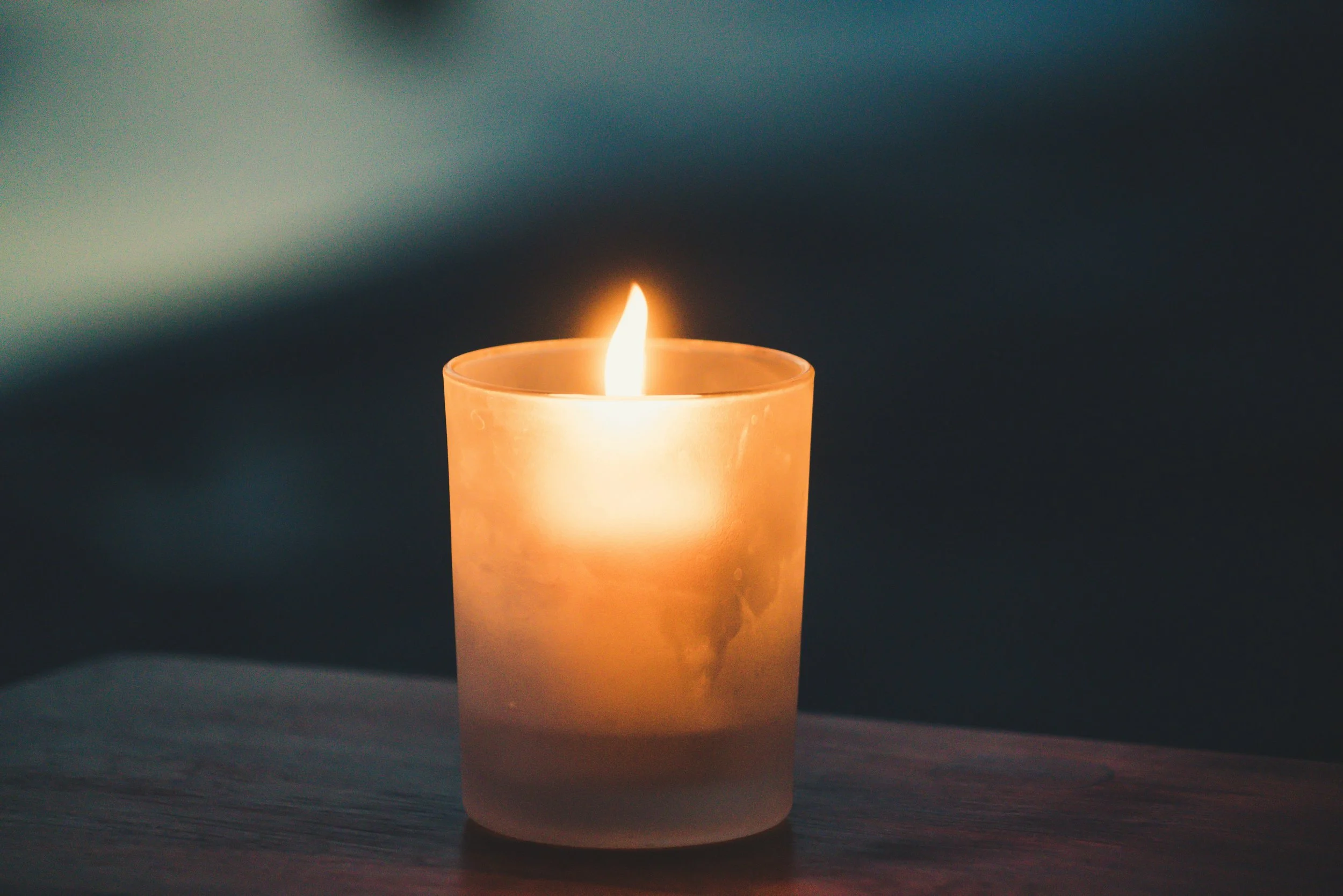
- Light a candle in the morning or evening dedicated to a particular person, part of self, or intention you’ve set
- Take a walk along the same path or at the same time of day across multiple seasons and attend to what has changed or transformed in the ecology of your environment
- Build and visit an alter space in your home to honor loved ones passed
- Step outside for three deep breaths of fresh air first thing when you wake and notice the present sounds, sights, and smells
- Take a moment each day to note what it is you are grieving alongside what it is you are grateful for and write these things down
- Gather community for a shared meal in a meaningful place each month
In therapy with me, you are invited to slow down and notice the thresholds you are standing before. Together, we can imagine, shape, and support practices that allow you to deepen your relationship with untended parts of self.
Start working with IFS therapist in Highland Park and Los Angeles
If you are navigating big moments of change, loss, or uncertainty and desiring a space to explore, integrate, and make meaning of these transitions and to inhabit your life with greater steadiness, I invite you to reach out and schedule a brief initial consultation.
Other Services Offered at Therapy on Fig
At Therapy on Fig, we provide therapy services tailored to the unique needs of couples, adults, and teens. We offer Neurodivergent Affirming Therapy, IFS Therapy, Therapy for Empaths, Trauma Therapy, Couples Therapy, Teen Therapy, ADHD Therapy, Group Therapy, Therapy for Entrepreneurs, Anxiety Therapy, Therapy for Autistic People, and Therapy for Asian Americans. Whether you're seeking support for a specific issue or looking to strengthen your relationship overall, our therapists are here to help. Reach out today to learn more about our services!
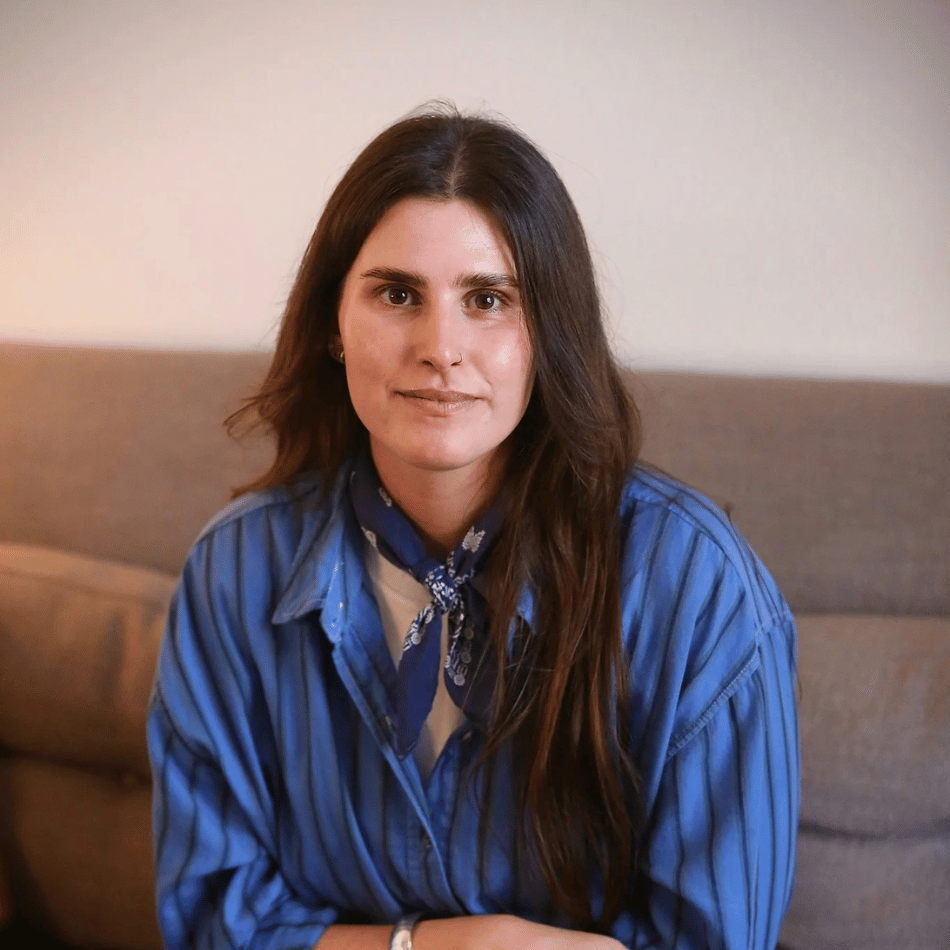
Emily Gaston is an Associate Marriage and Family Therapist #155211 and Registered Associate Professional Clinical Counselor #19502, supervised by Philip Chang, LCSW #92156. She practices from a relational, depth-oriented, and IFS-informed perspective that welcomes queer individual adults and teens and couples navigating relational and family-system trauma, moving through grief and loss.