The youngest daughter, part 2: the roles we didn't choose

When I wrote about the youngest daughter back in June, we looked at how youngest daughters are often reduced to a single story - the “baby” of the family, the “distractor” to relieve conflicts in the home, or simply living in the oldest sibling’s shadows - when the reality in the therapy room is usually far more layered. In this second installment, I continue exploring the roles youngest daughters often find themselves playing: the emotional sponge, the lost child, and the "eldest" youngest daughter.
The emotional sponge
Some youngest daughters may also identify with being the emotional sponge of the family, or the one who carries the unspoken burden of upholding the emotional landscape of the home, often without it being acknowledged how much she is holding alone. You may have learned to read the emotional environment quickly, picking up on tension and shifts in mood.
Over time, this can become internalized in the body. This emotional load may be stored physically and can sometimes show up as somatic symptoms, illness, or emotional outbursts.
You may struggle with people-pleasing and tending to others’ needs over your own, with “yes” becoming an automatic response. It can also become difficult to identify your own needs and feelings separate from those around you.
As an adult, this sensitivity often develops into strong intuition and emotional intelligence. You may be very self-aware of your rich inner world of thoughts and emotions. You can read other people’s energy well, pick up on subtle emotional cues, and understand how to meet people where they are. Your big feelings can also make you deeply creative and expressive, with an expansive imagination.
The lost child
Youngest daughters may also identify with being the lost child, or the one who is overlooked but becomes a silent observer in the family system. Over time, this can create a sense of being misunderstood, dismissed, or not really belonging in the family. You might feel like you were present, but not fully seen.
In response, you may have learned to retreat inward. This can show up as daydreaming, escaping into fantasy or your own inner world, or emotionally checking out when things at home felt overwhelming. There can also be a build-up of emotions that were never fully processed, such as sadness, anger, or frustration that was not acknowledged.
As an adult, that can shift. You may find yourself working on voicing your opinions and asserting your needs, even if it stirs the water. You may also become an advocate who empathizes with others, especially those who are marginalized. There can be a tendency to use the experience of being “different” to challenge expectations and create spaces where others are allowed to be more fully themselves.
The “eldest” youngest daughter
Lastly, there is the youngest daughter who also carries the role of being the baby of the family, while at the same time taking on responsibilities more often associated with the eldest daughter.
This can happen in families with a significant age gap, in strongly patriarchal systems where brothers are not expected to take on caregiving roles, or in situations where an older sibling has a disability, mental health challenges, or requires additional support. In these cases, the youngest daughter may feel like both the “baby” and, at times, the most responsible person in the system.
This creates a confusing split. You may have been expected to be emotionally attuned, responsible, or act as a mediator in the family, while also being treated as less capable or more dependent in other areas. You might have received messages such as being expected to support the family emotionally, but not being fully trusted with autonomy or adult decision-making.
This can lead to hyper-independence in some areas and infantilization in others. There is often a sense of being pulled between roles, where you are capable and responsible in one moment, and then treated as though you are still the “baby” in the next. Many youngest daughters in this position become highly skilled at masking and adapting to whatever the family system requires of them.
As an adult, there is often a strong capacity for adaptability. You may have watched older siblings move through different life transitions and make mistakes, learning from observing those experiences.
This often develops into resilience and quiet strength. You can navigate complex situations and hold multiple roles at once, developing a natural, multifaceted form of leadership.
Over time, the work becomes integration, forming a more coherent sense of self that is not defined solely by the roles assigned in the family system.
Start therapy with an Asian American therapist in Highland Park and Los Angeles
Whatever combination of these roles feels familiar, know that the parts of you that learned to distract, absorb, disappear, or overachieve were doing exactly what they needed to do to keep you connected within your family. They don’t capture all parts of you, and some may just be strategies you once needed. If you’re curious to know these parts of yourself more deeply and discover who you are underneath the roles you’ve embodied or had to cultivate, reach out to schedule a free consultation with me.
Other services offered at Therapy on Fig
At Therapy on Fig, we provide therapy services tailored to the unique needs of couples, adults, and teens. We offer Neurodivergent Affirming Therapy, IFS Therapy, Therapy for Empaths, Trauma Therapy, Couples Therapy, Teen Therapy, ADHD Therapy, Group Therapy, Therapy for Entrepreneurs, Anxiety Therapy, Therapy for Autistic People, Depression Therapy, Premarital Counseling, LGBTQ Affirming Therapy, and CPTSD Therapy. Whether you're seeking support for a specific issue or looking to strengthen your relationship overall, our therapists are here to help. Reach out today to learn more about our services!
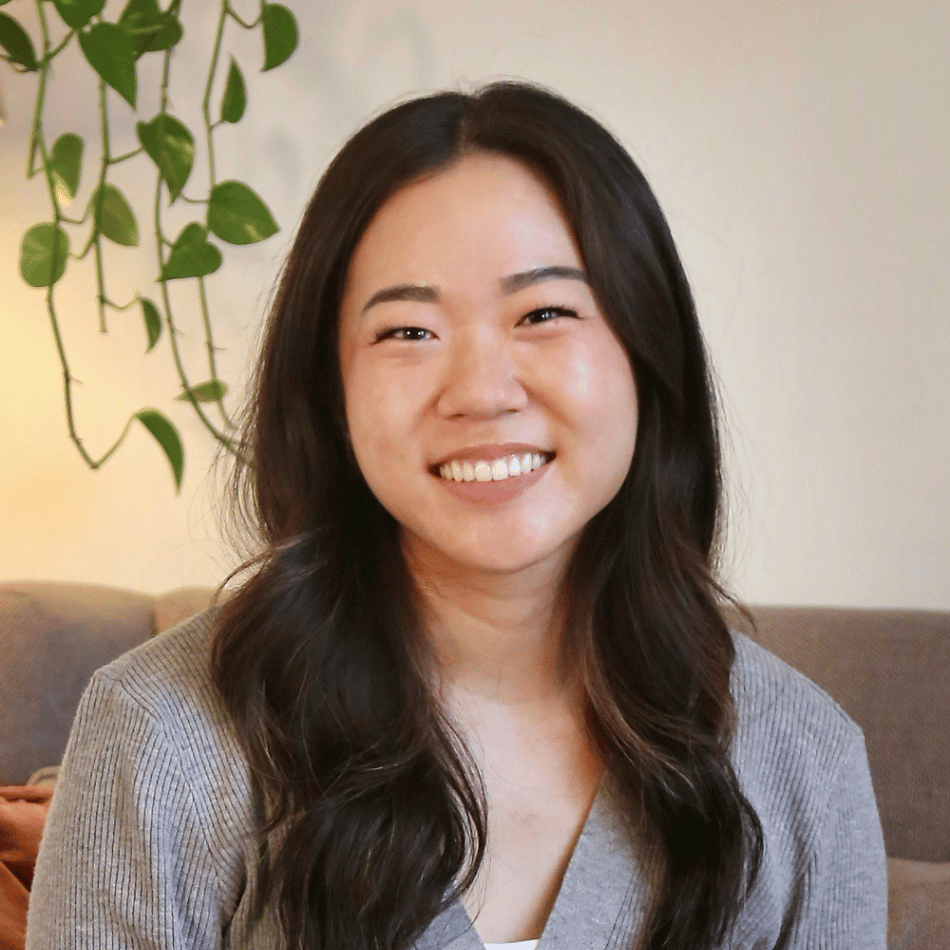
Rachel Kwon is a Licensed Marriage and Family Therapist (LMFT #144798). She integrates Internal Family Systems (IFS), Brainspotting, and CBT techniques to help her clients access healing from the inside out. Her work makes space for her clients' pain, resilience, and the unspoken wounds and generational gifts they carry forward. Reach out to learn more about our experienced therapists.